dimanche 31 mai 2026
# The Art of Indulgence: A Connoisseur's Guide to Luxury Food in America
## Introduction
In the heart of America, where culinary innovation meets a reverence for tradition, luxury food has transcended mere sustenance to become a profound expression of art, culture, and an elevated way of living. It is a world where exquisite ingredients, meticulous craftsmanship, and unparalleled sensory experiences converge, inviting the discerning palate on an unforgettable journey. Far more than just a price point, luxury food embodies rarity, provenance, innovation, and the stories woven into every dish. It’s a testament to human ingenuity and an ode to the finest that nature and skilled hands can offer. From the hushed elegance of Michelin-starred establishments to the bespoke intimacy of private dining, the landscape of high-end gastronomy in the USA is rich, diverse, and perpetually evolving, catering to those who seek not just a meal, but an experience that resonates deeply with sophistication and indulgence. This exploration delves into the multifaceted dimensions of luxury food, celebrating its past, present, and exciting future.
## The Quintessence of Ingredients: Nature's Finest Treasures
At the bedrock of any truly luxurious culinary experience lies the ingredient itself. These are not merely components but protagonists, chosen for their unparalleled quality, rarity, and the story of their origin. The discerning palate understands that the journey of flavor begins long before the cooking process, tracing back to the pristine environments and meticulous cultivation that yield these edible jewels.
### Rarity, Provenance, and the Terroir of Taste
The pursuit of luxury ingredients often leads to remote corners of the world, where specific climatic conditions and centuries-old techniques create unparalleled delicacies. Think of the ephemeral white truffle from Alba, Italy, whose earthy perfume commands astonishing prices, or the deep, briny pop of Beluga caviar, harvested with extreme care from specific sturgeon. These ingredients are prized not just for their taste but for their scarcity, their delicate harvesting, and the rigorous standards that ensure their authenticity. In the USA, a growing appreciation for 'terroir' extends beyond wine to food, with consumers seeking specific varieties of heritage grains from particular farms or unique microgreens grown in controlled, optimal environments. The narrative of an ingredient – its origin, the hands that nurtured it, and its journey to the plate – adds an immeasurable layer of value and appreciation.
### Exquisite Meats and Seafood: Jewels of the Land and Sea
The world of luxury meats is dominated by names synonymous with unparalleled texture and flavor. Wagyu and Kobe beef, with their exquisite marbling, offer a melt-in-your-mouth tenderness and rich umami that stands apart. These aren't just cuts of meat; they are the result of highly specific feeding regimens and meticulous animal husbandry, often revered with near-sacred status. Beyond beef, the deep, nutty flavors of true Iberico ham from Spain, aged for years, or the robust, clean taste of ethically raised heritage game birds, speak volumes of tradition and expertise.
From the ocean's depths come equally prized treasures. Bluefin tuna, particularly the highly sought-after fatty belly (otoro), is a staple in high-end sushi, celebrated for its buttery texture and intense flavor. Uni, or sea urchin roe, delivers a creamy, sweet, and subtly briny burst that aficionados adore. Rare oysters, harvested from specific coves with distinct mineral profiles, offer a microcosm of the sea in every shell. Abalone, with its firm yet tender flesh and delicate flavor, demands careful preparation and is a luxury item in many Asian cuisines, now finding its way onto exclusive American menus. These ingredients are often seasonal, demanding respect for their natural cycles and a commitment to sustainable sourcing, even at the highest echelons of dining.
### Artisanal Produce, Dairy, and Spices: The Foundation of Flavor
While meats and seafood often take center stage, the world of luxury produce, dairy, and spices provides the essential supporting cast, often stealing the show in their own right. Heirloom vegetables, cultivated for their superior flavor profiles and often striking aesthetics rather than commercial uniformity, bring a vibrancy and depth of taste that modern varieties simply cannot match. Unique microgreens, grown with precision to offer concentrated bursts of flavor and delicate textures, elevate plating to an art form.
Saffron, the most expensive spice in the world by weight, lends its distinct floral aroma and golden hue to dishes, testament to the labor-intensive hand-harvesting of crocus stigmas. Vanilla beans, particularly rare varietals like Tahitian or Madagascar Grand Cru, offer complex aromatic notes far beyond standard extracts. In the dairy realm, unpasteurized, aged cheeses from specific European regions—a true Parmigiano-Reggiano matured for 36 months, or a raw milk Roquefort—demonstrate a profound connection to land and tradition. Artisanal butters, often cultured and hand-churned, offer nuances of flavor that transform a simple piece of bread into a luxurious bite. These ingredients, though seemingly simple, are often the result of generations of expertise, demanding patient cultivation and a deep understanding of natural processes, contributing an unparalleled depth to any dish.
## The Artistry of Haute Cuisine and Fine Dining: A Culinary Symphony
Luxury food is not just about what you eat, but how you eat it. Fine dining elevates the act of eating into a multi-sensory spectacle, a meticulously choreographed experience where every detail, from the ambient lighting to the subtle curve of a spoon, contributes to an overarching narrative of indulgence and artistry. In the USA, the fine dining scene is a vibrant tapestry, influenced by global traditions yet distinctly American in its innovative spirit.
### Michelin Stars and Culinary Temples: Where Chefs Become Artists
The pursuit of Michelin stars has become a defining characteristic of high-end gastronomy, with these coveted accolades recognizing restaurants that offer "exceptional cuisine." In cities like New York, San Francisco, Chicago, and Los Angeles, these culinary temples are bastions of innovation, tradition, and uncompromising quality. What truly sets them apart is not just the food, but the holistic experience: impeccable, almost telepathic service; breathtaking ambiance designed to transport guests; and a relentless pursuit of culinary perfection. Each dish is a testament to countless hours of research, experimentation, and refinement, pushing the boundaries of taste, texture, and visual appeal. Dining in such an establishment is akin to attending a performance, where the chef is the conductor and the kitchen, a bustling orchestra.
### The Chef as Visionary: Storytelling Through Plates
Modern luxury dining places the chef at its very heart—not just as a cook, but as a visionary, an artist, and a storyteller. Chefs like Thomas Keller, Daniel Humm, or Dominique Crenn craft menus that reflect their personal philosophies, memories, and profound understanding of ingredients. Each plate is a narrative, a carefully constructed vignette designed to evoke emotion, challenge perceptions, and create lasting memories. This involves not only masterful technique but also a unique perspective, whether it's reimagining comfort food with unprecedented elegance, exploring the depths of fermentation, or creating dishes that pay homage to specific landscapes or cultural heritage. Their kitchens are laboratories of innovation, where traditional methods meet cutting-edge science, all in service of a singular, exquisite vision.
### Molecular Gastronomy and Avant-Garde Approaches: Pushing Culinary Boundaries
The 21st century has seen luxury cuisine embrace scientific principles to create entirely new textures, flavors, and presentations. Molecular gastronomy, pioneered by figures like Ferran Adrià, transforms ingredients through techniques like spherification, emulsification, and gelification, turning familiar foods into surprising forms. Foams, edible films, and liquid nitrogen-chilled creations become part of the lexicon, adding elements of surprise and playful intrigue to the dining experience. While some of these techniques have matured beyond their initial shock value, their legacy endures in kitchens that continue to innovate, using science not for gimmickry, but to enhance and refine the sensory journey, creating dishes that are as intellectually stimulating as they are delicious.
### Presentation and Plating: Food as Visual Art
Before the first bite, luxury food captivates the eye. Plating is an art form, a crucial element in the overall dining experience. Chefs meticulously arrange components, considering color, contrast, texture, and negative space, transforming a dish into a miniature landscape or a sculptural masterpiece. Utensils, bespoke dinnerware, and the very architecture of the plate are all carefully chosen to complement and elevate the food. This visual artistry is not superficial; it primes the diner's expectations, enhances anticipation, and often communicates something about the dish's narrative or the chef's intention. The precision involved mirrors that of a painter or sculptor, ensuring that the meal begins with a feast for the eyes.
### The Sommelier's Craft: Wine, Spirits, and Beverage Pairings
No luxury meal is complete without the perfect accompaniment of beverages. The sommelier, a connoisseur of wine and spirits, plays a pivotal role in guiding diners through an often-extensive list, matching flavors and textures to enhance the culinary experience. Beyond wine, luxury dining now features intricate cocktail programs, curated tea services, and even sophisticated non-alcoholic pairings that demonstrate the same level of thoughtfulness and complexity. Rare vintages, exclusive bottlings, and innovative craft spirits from around the globe stock the cellars of fine establishments, offering an additional layer of indulgence. The sommelier's expertise transforms a simple drink into a dialogue with the food, creating symphonies of flavor that elevate each course.
### Dining as Theater: Multi-Course Tasting Menus and Experiential Gastronomy
The ultimate expression of luxury dining often manifests in the multi-course tasting menu. These elaborate journeys, sometimes spanning over a dozen exquisitely portioned dishes, are designed to tell a story, explore a theme, or showcase the chef's full repertoire. Each course is a distinct chapter, building in complexity and flavor, culminating in a grand finale. Beyond the food, experiential dining embraces elements of performance, storytelling, and immersive environments. Some restaurants incorporate interactive elements, others transport diners through different "scenes" within the space, and still others engage all senses through soundscapes, aromas, and tactile elements. This theatrical approach transforms dining from a mere meal into an unforgettable, immersive event, a true escape into the chef's curated world.
## Global Gastronomic Journeys: A World on Your Plate
The American luxury food scene is a vibrant melting pot, drawing inspiration and expertise from every corner of the globe. This international exchange has not only enriched the culinary landscape but also created unique fusions and reinterpretations that define modern luxury dining in the USA.
### Influences on the American Luxury Food Scene: A Culinary Crossroads
For centuries, European traditions, particularly French and Italian, set the benchmark for fine dining. Classic French techniques, the meticulous art of sauces, and the philosophy of 'mise en place' still form the bedrock of many American luxury kitchens. Italian cuisine, with its emphasis on pristine ingredients and regional authenticity, has also profoundly shaped upscale dining, moving beyond simple pasta dishes to embrace sophisticated antipasti, handmade pasta perfection, and expertly prepared seafood.
However, the influence has broadened dramatically. Japanese cuisine, with its reverence for precision, seasonality, and the umami principle, has given us omakase experiences that are amongst the most sought-after and expensive meals in the country. Nordic cuisine, with its focus on foraging, fermentation, and minimalist presentation, has inspired a new wave of American chefs to explore local ingredients with fresh eyes. The vibrant spices and complex flavors of Southeast Asian and Indian fine dining are also gaining prominence, offering sophisticated takes on traditional dishes that tantalize adventurous palates.
### Authenticity and Adaptation: Global Luxury Reimagined in the USA
One of the fascinating aspects of global luxury food in the USA is the delicate balance between authenticity and adaptation. While some establishments strive for an almost religious adherence to traditional methods and recipes (e.g., a sushi master trained for decades in Japan), others brilliantly adapt global inspirations to local American ingredients and sensibilities. This leads to exciting fusions: Mexican haute cuisine elevated with Californian produce, or Southern comfort food reinterpreted with French techniques and Asian spices. This adaptation creates a unique American luxury identity—one that is confident in its own culinary voice while respectfully drawing from a global lexicon. It’s about understanding the essence of a cuisine and translating it through a contemporary, often local, lens.
### Food Tourism: Traveling for Unforgettable Culinary Experiences
For the true connoisseur, food is a compelling reason to travel. Gastronomic tourism has become a significant luxury trend, with individuals planning entire itineraries around reservations at world-renowned restaurants, culinary festivals, or specific regional delicacies. Imagine a trip to Emilia-Romagna for authentic balsamic vinegar and Parmigiano-Reggiano, a winter sojourn in Piedmont for white truffle hunting, or a pilgrimage to Japan for a multi-course kaiseki meal. In the USA, this might mean traveling to New Orleans for its unique Creole fine dining, to Charleston for elevated Lowcountry cuisine, or to California's Napa Valley for an immersive wine and food experience. These journeys are not just about eating; they are about understanding the culture, history, and craft behind the food, creating memories that linger long after the last bite.
### Emerging Luxury Cuisines: The Next Frontiers of Flavor
The luxury food scene is dynamic, constantly welcoming new influences. Cuisines once considered "ethnic" are now being elevated to fine dining status, driven by talented chefs who fuse tradition with modern techniques and premium ingredients. Peruvian cuisine, with its vibrant ceviches, rich stews, and a pantry of unique ingredients, has seen a significant rise in global recognition. Modern Indian cuisine moves beyond traditional curries to explore intricate spice blends, delicate preparations, and elegant presentations. Similarly, sophisticated takes on Southeast Asian dishes—Vietnamese pho refined with premium broths and wagyu, or Thai curries infused with rare herbs—are captivating discerning diners. These emerging luxury cuisines signal a broadening of the palate and a deeper appreciation for the world's diverse culinary heritage.
## The Bespoke and Private Culinary Realm: Tailored Indulgence
Beyond the public stage of restaurants, luxury food enters a more intimate and personalized domain: the bespoke culinary experience. This realm is defined by exclusivity, tailor-made services, and an unparalleled level of privacy and customization, catering to those who seek a culinary journey crafted uniquely for them.
### Private Chefs and Personalized Menus for Elite Clientele
The ultimate expression of personalized luxury dining is the private chef. Hired for exclusive events, extended stays, or as a permanent fixture in a household, a private chef curates menus that cater precisely to individual tastes, dietary requirements, and preferences. This goes far beyond typical catering; it involves a deep understanding of the client's palate, sourcing hyper-specific ingredients, and crafting dishes that might never appear on a public menu. Whether it's a multi-course dinner party in a private residence, a gourmet picnic on a yacht, or daily meals prepared with precision and artistry, the private chef offers a level of customization, discretion, and culinary excellence that is unmatched, transforming any setting into a personal fine dining establishment.
### Exclusive Supper Clubs and Invite-Only Events
For those who crave novel experiences outside traditional restaurant walls, exclusive supper clubs and invite-only culinary events offer a clandestine yet sophisticated allure. Often hosted in unique, undisclosed locations—from historic brownstones to private art galleries or even pop-up venues—these gatherings are characterized by their intimacy, curated guest lists, and often experimental menus. They provide a platform for chefs to push creative boundaries without the constraints of a commercial restaurant, offering guests a chance to be part of an exclusive community of food lovers. The thrill of discovery, the unique social dynamic, and the often avant-garde culinary offerings make these events a highly coveted luxury experience, fostering a sense of belonging to an elite gastronomic circle.
### Curated Culinary Experiences: Learning from Masters
Luxury extends to the acquisition of culinary knowledge and skill. Bespoke cooking classes with master chefs, often held in private kitchens or prestigious culinary institutes, offer an unparalleled opportunity to delve into specific techniques or cuisines. These aren't generic group classes; they are intensive, hands-on sessions tailored to the participant's interests and skill level, providing direct mentorship from industry leaders. Beyond classes, curated food tours, led by expert guides, offer exclusive access to artisanal producers, private tastings at vineyards, or behind-the-scenes glimpses into Michelin-starred kitchens. These experiences are about immersion, education, and the privilege of learning from and interacting with the masters of the culinary world, enriching one's appreciation and understanding of luxury food.
### At-Home Luxury: Elevating Home Entertaining with Professional Standards
The desire for luxury food doesn't always necessitate dining out. A growing trend among connoisseurs is to bring professional culinary standards into the home. This involves investing in high-end kitchen appliances that mirror professional kitchens, sourcing specialty ingredients directly from producers, and mastering advanced cooking techniques. Luxury home entertaining moves beyond simple meals to meticulously planned, multi-course dinners, often involving bespoke table settings, carefully curated wine pairings, and even professional servers hired for the evening. It transforms the home into a personal sanctuary of fine dining, where the host can exercise their culinary prowess or collaborate with a private chef to create an unforgettable, intimate experience for their guests, rivaling any restaurant.
## The Connoisseur's Cellar: Wine, Spirits, and the Art of Pairing
Integral to the luxury dining experience is the world of beverages, particularly wine and spirits. For the connoisseur, these are not mere drinks but complex libations with their own provenance, aging potential, and narratives, capable of elevating a meal into a truly symphonic experience.
### Investment-Grade Wines and Rare Spirits: Liquid Gold
The world of luxury libations extends far beyond the average bottle. Investment-grade wines, often from renowned vineyards in Bordeaux, Burgundy, or Napa Valley, are sought after not only for their exquisite taste but also for their potential to appreciate in value over time. These are vintages that represent the pinnacle of winemaking, meticulously aged and often available in very limited quantities. Similarly, rare spirits—aged Scotch whiskies, vintage cognacs, limited-edition tequilas, or artisanal Japanese sakes—are prized for their complexity, history, and often unique distillation processes. Owning and sharing these bottles is a statement of discerning taste and an appreciation for liquid artistry, akin to collecting fine art. They are often the centerpiece of exclusive tastings and celebrations, providing an added layer of prestige to any occasion.
### The Art of Pairing: Beyond Wine and Food
While the classic pairing of wine and food remains paramount, the art of pairing in luxury dining has expanded dramatically. Sommeliers and beverage directors now explore complex pairings with spirits, craft beers, sakes, and even non-alcoholic concoctions like kombucha or infused teas. This meticulous matching aims to create a harmonious dialogue between the drink and the dish, where each component enhances the other, bringing out hidden nuances and elevating the overall sensory experience. Beyond the plate, connoisseurs delve into pairings with cigars, artisanal coffees, and even rare waters, understanding that every element of consumption can be a curated experience. This holistic approach to pairing transforms a meal into a series of carefully considered, interwoven delights.
### Building a Personal Luxury Cellar: A Legacy of Taste
For the true enthusiast, building a personal luxury cellar is a passion project and a long-term investment. This involves not just acquiring expensive bottles, but meticulously curating a collection that reflects personal tastes, anticipates future enjoyment, and appreciates in value. It requires specialized knowledge of vintages, regions, producers, and proper storage conditions (temperature, humidity, light). A well-stocked luxury cellar is a source of pride, a conversation starter, and a private reserve for special occasions, offering the freedom to select the perfect libation for any moment. It's a living collection, evolving with the owner's palate and market trends, representing a tangible legacy of discerning taste.
### Exclusive Tasting Events: A Journey for the Senses
Luxury beverage experiences often culminate in exclusive tasting events. These intimate gatherings, hosted by master sommeliers, distillers, or brand ambassadors, offer participants the rare opportunity to sample exceptional wines, spirits, or other beverages in a guided, educational setting. Often featuring vertical tastings of rare vintages, comparative analyses of different terroirs, or introductions to new, limited-edition releases, these events are designed to deepen appreciation and expand knowledge. They are often accompanied by gourmet food pairings, enhancing the sensory journey and transforming a simple tasting into a sophisticated exploration of flavor, history, and craftsmanship, creating a memorable social and educational experience.
## Sustainable Opulence: Ethical Luxury Food
In an era of increasing environmental consciousness and social responsibility, the definition of luxury food is evolving. True opulence now encompasses not just rarity and expense, but also ethics, sustainability, and transparency. Discerning consumers are increasingly seeking luxury that aligns with their values, demanding a story that extends beyond the plate to the farm, the ocean, and the community.
### The Paradox of Luxury: Exclusivity Meets Responsibility
Historically, luxury often implied exclusivity and indulgence with little regard for broader impact. However, the modern luxury consumer, particularly in the USA, is increasingly sophisticated and globally aware. There's a growing understanding that true luxury cannot come at the expense of the planet or ethical labor practices. The paradox lies in reconciling the desire for rare, often resource-intensive ingredients with a commitment to environmental stewardship. This shift is driving a new wave of innovation in the luxury food sector, where sustainability is not a compromise but an integral part of the value proposition. It challenges producers and chefs to innovate, proving that the highest quality can also be the most responsible.
### Farm-to-Table and Hyper-Local Sourcing in High-End Restaurants
The "farm-to-table" movement, once a niche concept, is now a cornerstone of ethical luxury dining. High-end restaurants are forming direct relationships with local farmers, ranchers, and fishermen, ensuring the freshest, most seasonal, and often organically grown ingredients. This hyper-local sourcing not only guarantees superior quality and flavor but also reduces carbon footprints and supports local economies. Chefs often highlight the specific farm or artisan producer on their menus, creating a narrative of transparency and connection. This approach transforms a dish into a celebration of its origin, a tribute to the land and the hands that nurtured its components, adding a layer of authenticity and trustworthiness that resonates with the luxury ethos.
### Preserving Heritage Breeds and Forgotten Ingredients
Part of ethical luxury involves a commitment to biodiversity and the preservation of culinary heritage. This translates to supporting farmers who raise heritage breeds of livestock (e.g., Berkshire pork, Aylesbury duck), which often offer superior flavor and are reared using more humane and sustainable practices than conventional industrial farming. Similarly, luxury chefs are championing forgotten heirloom vegetables, grains, and indigenous ingredients, bringing them back from the brink of extinction and showcasing their unique culinary potential. This effort not only enriches the dining experience with diverse flavors but also plays a vital role in maintaining genetic diversity in our food system and celebrating the rich tapestry of culinary traditions.
### Ethical Sourcing of Seafood and Exotic Ingredients
The sourcing of seafood is a particularly sensitive area. Luxury seafood, from bluefin tuna to caviar, is increasingly scrutinized for its environmental impact and fishing practices. Ethical luxury demands a commitment to sustainable aquaculture, responsible wild-capture fisheries (often certified by organizations like the MSC), and avoiding endangered species. Similarly, exotic ingredients like saffron or vanilla are sourced from producers who guarantee fair labor practices and environmentally sound cultivation methods. The story behind these ingredients—how they were harvested, the conditions of the workers, and their ecological footprint—is becoming as important as their flavor. This dedication to ethical sourcing ensures that indulgence is guilt-free and contributes positively to global communities and ecosystems.
### The Story Behind the Food: Transparency and Trust
In modern luxury food, transparency is paramount. Diners want to know the provenance of their meal—where the meat came from, how the vegetables were grown, who caught the fish. This demand for a clear, traceable "story behind the food" builds trust and enhances the appreciation for the meal. Restaurants and purveyors who can articulate their sourcing philosophies, their relationships with producers, and their commitment to ethical practices gain a significant advantage in the luxury market. This shift towards informed consumption means that knowledge about the food's journey, from source to plate, is now an essential ingredient in the luxury culinary experience, fostering a deeper connection and appreciation.
## The Future of Food Luxury: Innovation on the Horizon
The world of luxury food is not static; it is a dynamic realm constantly reshaped by technological advancements, evolving dietary preferences, and a deeper understanding of health and well-being. The future promises even more personalized, innovative, and ethically conscious culinary experiences.
### Technology in the Kitchen and Dining Room: A New Era of Precision
Technology is increasingly playing a role in the creation and enjoyment of luxury food. In the kitchen, advanced equipment allows for unprecedented precision: sous vide circulators for perfect protein textures, combi ovens for exact humidity control, and even AI-powered systems that assist in recipe development and inventory management. Beyond the kitchen, augmented reality and virtual reality could transform dining rooms into immersive sensory environments, transporting diners to a Tuscan vineyard or a Japanese fish market while they eat. Personalized dining experiences, driven by data on individual preferences and nutritional needs, could become the norm, with every dish tailored by algorithms working in concert with human chefs. This fusion of tech and gastronomy promises a future of unparalleled culinary exactitude and experiential richness.
### New Ingredients: Lab-Grown Delicacies and Plant-Based Opulence
The ingredient landscape of luxury food is poised for radical transformation. Lab-grown meats, cultivated from animal cells without the need for traditional livestock farming, offer the potential for ethical and sustainable sources of gourmet protein, free from antibiotics and hormones. As these technologies mature, cellular agriculture could provide exotic meats or specific cuts with unparalleled consistency and environmental benefits. Parallel to this, plant-based luxury is gaining significant traction. Chefs are creating astonishingly complex and satisfying vegan dishes, utilizing advanced techniques and premium plant-derived ingredients to mimic or surpass traditional animal products. The future may also see the integration of novel, nutrient-dense ingredients, such as sustainably farmed microalgae or refined insect proteins (for the adventurous palate), presented in sophisticated, palatable forms.
### Hyper-Personalized Experiences: DNA-Based Dietetics and Bespoke Culinary Travel
The ultimate luxury of the future will be hyper-personalization. Imagine a dining experience where your menu is crafted not just to your stated preferences, but to your unique genetic makeup, optimizing for health, longevity, and peak sensory enjoyment. DNA-based dietetics could inform bespoke culinary programs, delivering meals tailored to individual metabolic profiles, allergen sensitivities, and nutritional requirements. Beyond this, bespoke culinary travel will become even more specialized, with itineraries custom-designed to explore specific historical food routes, engage with particular culinary communities, or track down ultra-rare ingredients based on an individual's unique interests. This future promises a level of culinary customization that transcends anything available today, making luxury food truly unique to each individual.
### Wellness and Longevity Through Luxury Food
As awareness of the link between diet and health grows, luxury food will increasingly integrate principles of wellness and longevity. This doesn't mean sacrificing indulgence, but rather redefining it. Menus will feature ingredients celebrated for their nutritional density, anti-inflammatory properties, and benefits for gut health. High-end restaurants might collaborate with nutritionists and health experts to create dishes that are both exquisitely delicious and profoundly beneficial for well-being. This convergence of haute cuisine and health science means luxury food will not only delight the senses but also contribute to a vibrant, longer life, positioning gourmet eating as an investment in personal vitality.
### The Democratization of Knowledge, If Not Access
While access to the most exclusive luxury food experiences will likely remain limited, the knowledge and inspiration derived from this elite sector are becoming more democratized. Through culinary media, documentaries, online courses, and chef-driven content, insights into high-end techniques, rare ingredients, and innovative concepts are becoming more widely available. This allows a broader audience to appreciate the artistry and effort behind luxury food, to experiment with elements of it in their own kitchens, and to be inspired by its constant evolution. The future of luxury food, therefore, promises a continued ripple effect, inspiring culinary excellence and appreciation at all levels.
## Conclusion
Luxury food in America is a dynamic and multifaceted realm, far removed from mere extravagance. It is an intricate dance of rarity, craft, innovation, and an unwavering commitment to unparalleled quality. From the hallowed grounds where the finest ingredients are nurtured to the hallowed halls where culinary masters transform them into edible art, every aspect speaks to a profound respect for gastronomy. It's a celebration of global influences, reinterpreted through an American lens, and a testament to the boundless creativity of chefs who continually push the boundaries of taste and presentation.
Beyond the plate, luxury food is about the bespoke experience: the private chef tailoring every morsel, the exclusive supper club offering a fleeting moment of culinary intimacy, and the perfectly curated beverage pairing that elevates a meal into a symphony of senses. As our understanding of the world evolves, so too does our definition of luxury, embracing principles of sustainability, ethics, and transparency, ensuring that indulgence can be both exquisite and responsible. The future promises an even more personalized, technologically advanced, and wellness-focused approach, yet the enduring allure of luxury food will always lie in its ability to captivate, surprise, and create lasting memories. It remains a journey of discovery, a profound sensory pleasure, and a timeless art form that enriches life with every extraordinary bite.

Inscription à :
Publier les commentaires (Atom)
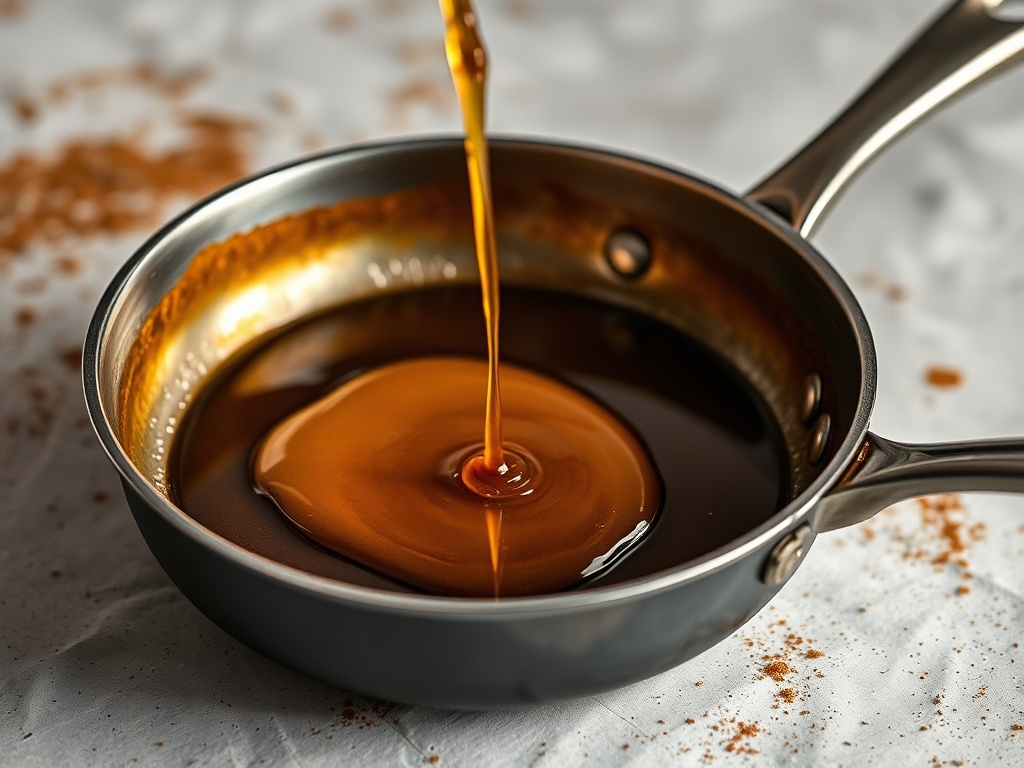
Deglazing Pan Drippings into Gold
Deglazing Pan Drippings into Gold - Savory Secrets Deglazing Pan Drippings into Gold Every home cook dr...
-
Point Pleasant Beach is renowned for its vibrant boardwalk, pristine sands, and family-centric atmosphere, drawing visitors year after year ...
-
There's a special kind of magic that unfolds when a community rallies together, especially when the promise of good food and great compa...

Aucun commentaire:
Enregistrer un commentaire