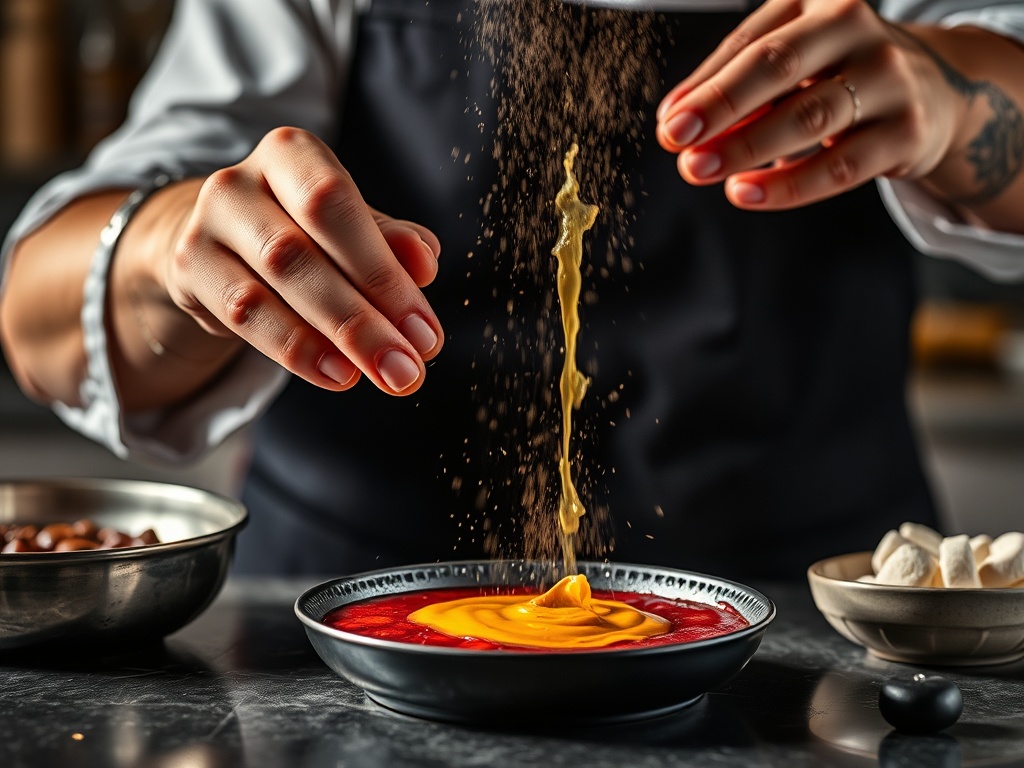
Maillard Reaction: How to Master It for Unforgettable Savory Flavors
Have you ever wondered what creates that irresistible, deeply savory crust on a perfectly seared steak, the complex aroma of roasted coffee, or the rich golden hue of toasted bread? The secret lies in one of the most fundamental yet often misunderstood chemical reactions in cooking: the Maillard reaction. This culinary marvel is responsible for hundreds of flavor compounds and the alluring browning that elevates simple ingredients into gourmet masterpieces. At Savory Secrets, we believe understanding this phenomenon is a game-changer for any home cook. Get ready to unlock the true potential of your ingredients and transform your kitchen into a flavor laboratory.
What Exactly is the Maillard Reaction? The Science of Delicious
At its heart, the Maillard reaction is a complex series of chemical reactions that occur when amino acids (the building blocks of proteins) and reducing sugars interact under heat. Unlike caramelization, which involves only sugars and produces a sweet, nutty flavor, Maillard browning produces a vast spectrum of savory, meaty, roasty, toasty, and even fruity notes. It typically kicks off at temperatures above 285°F (140°C), creating hundreds of new flavor compounds and pigments responsible for the characteristic brown color and incredible aromas we associate with well-cooked food. Think of the crust on a perfectly roasted chicken, the rich color of a dark beer, or the depth in a browned onion – that’s the Maillard magic at play, transforming raw ingredients into something profoundly delicious and complex.
The Essential Ingredients for Maillard Magic
To successfully harness the Maillard reaction, you need to understand its fundamental requirements. It’s not just about applying heat; it’s about creating the perfect environment for these chemical transformations to occur. Without the right combination of elements, you’ll end up with steamed or boiled food rather than beautifully browned, flavor-packed dishes. Mastering these ingredients is the first step towards consistent, delicious results every time you step into the kitchen. Here are the key players:
- Proteins/Amino Acids: Found abundantly in meats, poultry, seafood, dairy products, and many vegetables (like potatoes and onions). These are the reactive partners for the sugars.
- Reducing Sugars: Present naturally in varying amounts in most foods. Glucose, fructose, and lactose are common examples. These sugars readily react with amino acids.
- Sufficient Heat: The reaction typically begins around 285°F (140°C). This high temperature provides the energy needed for the molecules to break apart and recombine into new flavor compounds.
- Low Moisture Environment: Water boils at 212°F (100°C), and as long as there's significant moisture on the surface of your food, its temperature won won't rise above that point. For Maillard to occur, the surface must be dry enough to exceed the boiling point of water.
Temperature Control: The Golden Rule for Perfect Browning
Temperature is arguably the most critical factor in achieving a successful Maillard reaction. The sweet spot is generally above 285°F (140°C), but it's not simply about cranking up the heat to the maximum. Too low a temperature, and your food will steam and soften without browning; too high, and you risk burning the surface before the interior cooks or before the complex flavors fully develop. The goal is consistent, high heat that allows the surface to dry out quickly and reach the browning temperature. When searing, preheat your pan thoroughly until a drop of water sizzles and evaporates almost instantly. For roasting, ensure your oven is fully preheated to the recommended temperature. Different cooking methods like grilling, pan-searing, roasting, and deep-frying all leverage high temperatures to initiate and sustain the Maillard reaction, each contributing unique nuances to the final flavor profile. Precision in temperature is key to unlocking the full spectrum of savory notes without any burnt bitterness.
Moisture Management: The Enemy of Browning
While heat is the accelerator, moisture is the antagonist of the Maillard reaction. Water boils at 212°F (100°C), and as long as there is moisture on the surface of your food, its temperature will not rise above that point. This means no Maillard browning can occur. Imagine trying to sear a steak directly out of a marinade – the surface will steam rather than brown. Therefore, meticulous moisture management is paramount for achieving that coveted crust. Always pat your ingredients thoroughly dry with paper towels before applying heat. For meats, consider dry brining in advance or allowing them to air-dry in the refrigerator for a few hours, which significantly reduces surface moisture. When cooking, avoid overcrowding your pan; this lowers the pan’s temperature and causes food to release its moisture, leading to steaming instead of searing. Use oils with a high smoke point, which can withstand the necessary high temperatures without breaking down and imparting off-flavors. By controlling moisture, you pave the way for superior browning and deeper flavor.
Acid, Alkali, and Time: Fine-Tuning Your Flavor Palette
Beyond temperature and moisture, other factors can significantly influence the Maillard reaction, allowing you to fine-tune your flavor outcomes. Acidity, for instance, generally inhibits the Maillard reaction. This is why highly acidic marinades can sometimes prevent a good crust from forming on meat. However, acid isn't always the enemy; it can be used strategically. Deglazing a pan with wine or broth after searing not only captures the flavorful 'fond' (the browned bits) but also introduces acidity that can balance the richness. Conversely, an alkaline environment can accelerate the Maillard reaction. A common chef's trick is to lightly coat chicken wings or certain vegetables with a pinch of baking soda (sodium bicarbonate) before cooking. This slightly raises the pH on the surface, promoting faster and more intense browning, resulting in incredibly crispy skin or deeper caramelization. Finally, time plays a crucial role. While the reaction begins quickly, sustained exposure to the right conditions allows for the development of more complex and numerous flavor compounds, deepening the savory notes and creating a more robust crust. Experiment with these variables to truly master your Maillard technique.
Advanced Maillard Techniques & Applications for Gourmet Home Cooking
Once you grasp the fundamentals, you can apply Maillard mastery to a vast array of dishes, transforming everyday cooking into gourmet home cooking. Consider the reverse sear method for steak: gently cooking the interior at a low temperature first, then finishing with a high-heat sear to develop an impeccable crust without overcooking the center. This technique maximizes Maillard while ensuring perfect doneness. For vegetables, don't just steam them; roast them at high temperatures with a little oil until they develop sweet, caramelized edges, unlocking their hidden umami. Developing a rich fond in your pan after searing meat is another Maillard triumph; deglaze with wine or stock to create incredibly flavorful sauces and gravies. Browning butter until it turns a nutty, golden-brown (beurre noisette) adds an unparalleled depth to both sweet and savory dishes. Even simple tasks like toasting nuts and spices in a dry pan awaken their essential oils and intensify their flavor profiles through controlled Maillard browning. From making rich, savory stocks to creating the perfect crust on bread, understanding and intentionally applying the Maillard reaction will elevate every aspect of your culinary repertoire, making your dishes truly unforgettable.
Conclusion
The Maillard reaction is more than just a scientific principle; it's the invisible hand that guides so many of our most cherished savory flavors. By understanding its core requirements – the interplay of amino acids, sugars, heat, and crucially, the management of moisture – you gain the power to consistently create dishes that boast incredible depth, complexity, and that irresistible golden-brown crust. No longer will you leave browning to chance; instead, you'll intentionally orchestrate this culinary magic, transforming everyday ingredients into gourmet masterpieces. Embrace the science, experiment with the techniques, and watch as your cooking reaches new heights of deliciousness. What's your favorite dish where the Maillard reaction shines brightest? Share your savory secrets and Maillard masterpieces in the comments below!


Aucun commentaire:
Enregistrer un commentaire