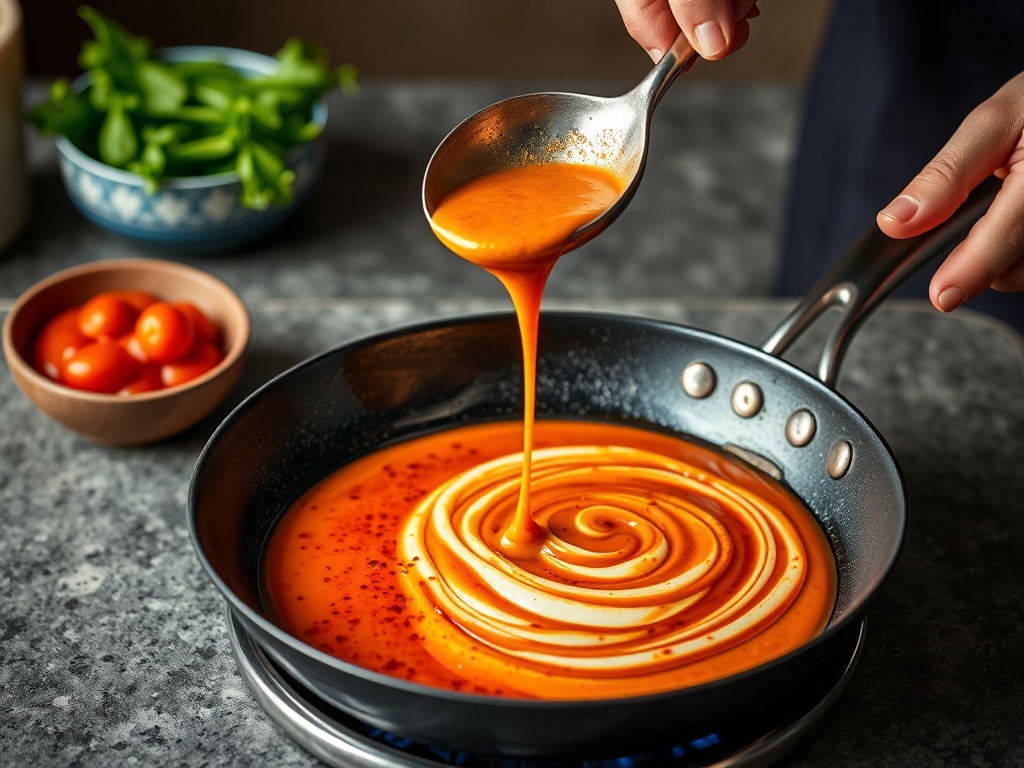
Secret to Perfect Pan Sauces
Imagine transforming the humble drippings from your perfectly seared steak, roasted chicken, or pan-fried pork chop into a glossy, flavorful sauce that rivals any restaurant creation. This isn't magic; it's the art of the pan sauce – a culinary secret weapon that elevates any meal from simple to sublime. At Savory Secrets, we believe gourmet home cooking is within everyone's reach, and mastering the pan sauce is a definitive step. Forget bland gravies; we’re diving deep into the umami-rich world of liquid gold that will have your family and guests raving. Get ready to unlock the ultimate chef's trick for unparalleled flavor.
The Foundation: Unearthing Umami with Fond and Deglazing
Every exceptional pan sauce begins with the "fond." This isn't just burnt bits at the bottom of your pan; it's a treasure trove of caramelized proteins, sugars, and savory goodness that forms during the searing or roasting process. Fond is pure umami, the fifth basic taste, and it’s the non-negotiable starting point for depth of flavor. Without these savory brown bits, your sauce will lack character and richness. The key is to achieve a beautiful brown, not black, fond. Over-browning can lead to bitterness, so careful heat management is crucial during the initial cooking of your protein. Once your protein is cooked and removed from the pan, the next vital step is deglazing.
Deglazing is the process of adding liquid to a hot pan to dissolve the fond. This simple act liberates all those concentrated flavors, incorporating them into your sauce base. For instance, after searing a steak, you'll notice a delightful crust of fond. Immediately after removing the steak, return the pan to medium-high heat. Pour in your chosen liquid – be it red wine for beef, white wine for chicken, or a rich broth for pork. As the liquid hits the hot pan, it will rapidly boil and loosen the fond. Use a wooden spoon or a spatula to scrape vigorously, ensuring every particle is lifted from the pan's surface. This initial infusion of flavor is what sets a good pan sauce apart from a truly great one, forming the essential backbone of your culinary masterpiece.
Building Layers of Flavor: The Power of Aromatics and Alliums
Once you've successfully deglazed the pan, you've captured the foundational savory notes. Now, it's time to introduce complexity and aromatic intrigue. This is where aromatics and alliums come into play, adding vibrant layers that deepen the sauce's character. Think of them as the supporting cast that makes the star (your protein's drippings) truly shine. After deglazing, if there's excess liquid, allow it to reduce slightly. Then, add a small knob of butter or a swirl of olive oil to the pan. Sauté finely minced shallots, garlic, or onions until they are translucent and fragrant, not browned. This gentle cooking process coaxes out their sweet, pungent flavors, which will meld beautifully with the deglazed fond.
The choice of aromatics can subtly shift the entire profile of your sauce. Shallots offer a delicate, sweet onion flavor, perfect for refined sauces. Garlic provides a pungent kick, while onions contribute a more robust sweetness. Fresh herbs like thyme, rosemary, or sage can also be introduced at this stage, infusing their essence as they gently warm in the pan. The goal is to sweat them, allowing their essential oils to release and perfume the base, rather than caramelizing them too much, which can overpower delicate flavors. This step is about building a nuanced, aromatic bridge between the rich fond and the subsequent liquids, ensuring a harmonious and deeply satisfying sauce.
- **Sautéing Technique:** Always use a medium heat and enough fat (butter or oil) to gently cook aromatics until translucent, avoiding browning which can lead to bitterness.
- **Fresh vs. Dried Herbs:** While dried herbs can be added early, fresh, delicate herbs are best stirred in at the very end to preserve their vibrant flavor and color.
- **Importance of Sweating:** Allowing aromatics to soften and release their moisture and sugars slowly builds a sweeter, more complex flavor base, rather than a harsh, raw one.
- **Matching Aromatics:** Consider the main dish; rosemary and garlic pair wonderfully with lamb, while thyme and shallots complement chicken or fish elegantly.
The Liquid Gold: Choosing and Reducing Your Base
With the fond deglazed and aromatics fragrant, it's time to introduce the bulk of your liquid base. This is where the sauce truly begins to take shape, concentrating flavors and achieving its desired consistency through reduction. The quality and type of liquid you choose are paramount, as they will define the overall character of your pan sauce. For a classic beef sauce, a robust red wine like Cabernet Sauvignon or Merlot, followed by a rich beef broth, works wonders. For poultry or pork, a dry white wine (Sauvignon Blanc, Pinot Grigio) paired with a high-quality chicken or vegetable broth is ideal. Seafood often benefits from white wine, perhaps with a splash of clam juice or a delicate fish stock.
The magic happens during reduction. Once your chosen liquids are added to the pan, bring the mixture to a simmer. Allow it to gently bubble and reduce, which means the water content evaporates, concentrating all the flavors – the fond, the aromatics, and the liquid itself. This process intensifies the umami and creates a deeper, more profound taste. Don't rush it; a slow, steady simmer is key to achieving maximum flavor development and a naturally thicker consistency. As the liquid reduces, it transforms from a watery concoction into a viscous, flavorful elixir. Taste periodically to monitor the flavor concentration. You're aiming for a balance where the sauce is rich and robust, but not overly salty or reduced to a syrupy state. This careful reduction is what gives professional sauces their incredible depth and velvety texture.
The Art of Thickening and Emulsification
A perfect pan sauce isn't just about flavor; it's also about achieving that luscious, restaurant-quality texture. While reduction naturally thickens the sauce by concentrating solids, sometimes you need a little extra help to reach that ideal consistency. There are several ways to thicken a pan sauce, each offering a slightly different result. The simplest and often preferred method for a light, glossy sauce is to finish with a knob of cold butter – a technique known as "monte au beurre." By whisking cold butter into the hot, reduced sauce off the heat, you create a beautiful emulsion, adding richness, body, and a magnificent sheen without making it heavy.
For a more substantial, gravy-like sauce, a roux (equal parts butter and flour cooked together) can be prepared separately and then whisked into the hot liquid, or a cornstarch slurry (cornstarch mixed with a small amount of cold water) can be slowly added while whisking, until the desired thickness is achieved. A cornstarch slurry creates a clear, glossy finish, while a roux yields an opaque, velvety texture. Another excellent option is to finish with a splash of heavy cream, which adds richness and a creamy mouthfeel, particularly effective with chicken or mushroom-based sauces. The key to any thickening agent is to add it gradually and whisk constantly to prevent lumps, ensuring a smooth and silky texture that coats the back of a spoon beautifully. Achieving the right balance between flavor and texture is the hallmark of a truly expert pan sauce.
Finishing Touches: Seasoning, Acidity, and Freshness
You're almost there! Your pan sauce has developed a rich fond, aromatic layers, and a beautiful consistency. Now, it’s time for the critical final adjustments that elevate it from good to absolutely unforgettable. The first and most crucial step is seasoning. Taste the sauce – really taste it. Does it need more salt? A crack of fresh black pepper? Remember, the flavors have concentrated during reduction, so you might not need as much as you think. Adjust gradually, tasting after each addition, until the flavors sing.
Next, consider acidity. This is often the "secret ingredient" that chefs use to brighten a sauce and cut through its richness. A squeeze of fresh lemon juice, a splash of apple cider vinegar, or a dash of red wine vinegar can awaken the palate and provide a refreshing counterpoint to the deep, savory notes. Just a small amount can transform a heavy sauce into something vibrant and balanced. Finally, introduce freshness. Finely chopped fresh herbs like parsley, chives, tarragon, or cilantro stirred in at the very last moment add a burst of color, aroma, and a lively herbaceous note. Unlike dried herbs, which release their flavors during cooking, fresh herbs offer a delicate, vibrant finish. You might also consider a tiny spoonful of Dijon mustard for an extra tang, or a pat of compound butter (herb butter, garlic butter) for an extra layer of gourmet flair. These final touches are about refining the sauce, ensuring every spoonful is a perfectly balanced symphony of flavors.
Conclusion
From those unassuming caramelized bits of fond to a glistening, perfectly balanced sauce, you now possess the secrets to transforming a simple meal into a gourmet experience. Mastering the pan sauce is a journey of understanding flavor development, precise technique, and the art of tasting and adjusting. It's about respecting the ingredients, harnessing the power of umami, and adding those final, thoughtful touches that define truly exceptional home cooking. Don't be intimidated; with these steps, you’re equipped to create restaurant-quality sauces that will impress every time. Experiment with different liquids, aromatics, and finishing agents to discover your signature pan sauce. The world of savory secrets is vast, and your culinary adventures are just beginning!
Ready to put your new skills to the test? Explore more Savory Secrets recipes and share your perfect pan sauce creations with our community!


Aucun commentaire:
Enregistrer un commentaire