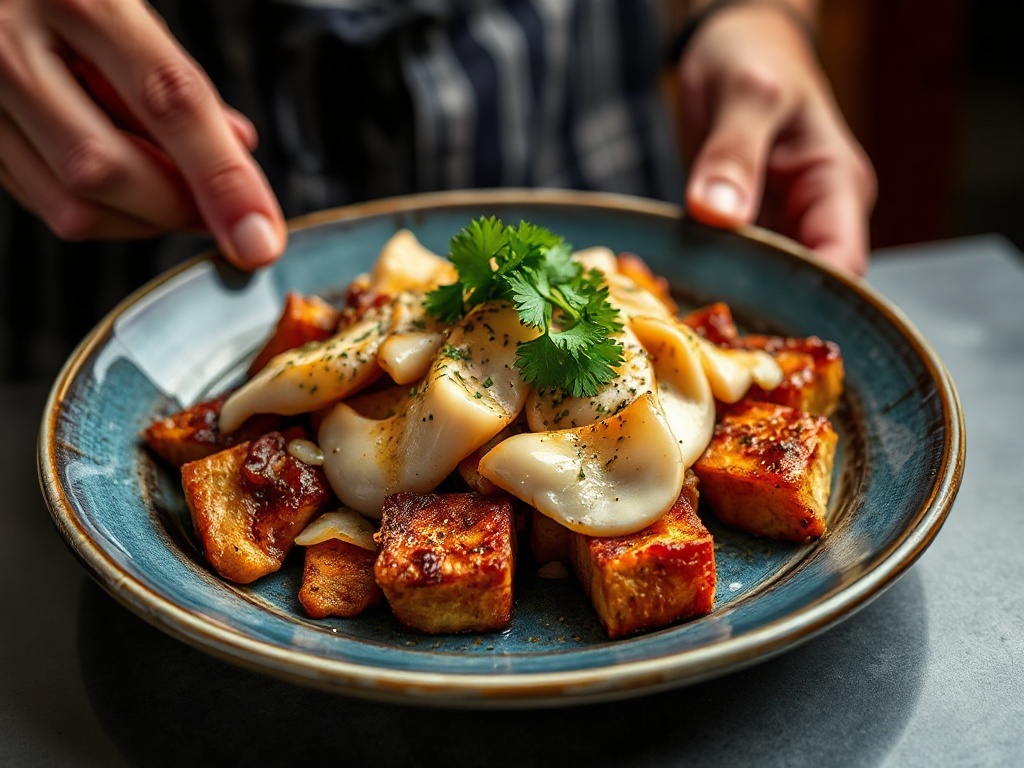
Building Flavor Layers in Slow-Cooked Dishes
Slow cooking is more than just throwing ingredients into a pot and waiting. It's an art form, a symphony of flavors that develop over hours, transforming humble components into a rich, complex, and deeply satisfying meal. At Savory Secrets, we believe the true magic of gourmet home cooking lies in understanding how to build these flavor layers, creating a depth that tantalizes the palate and leaves a lasting impression. This guide will unlock the chef's secrets to achieving unparalleled savoriness and umami in your slow-cooked masterpieces, ensuring every bite is a revelation.
The Foundation: Searing and Deglazing for Depth
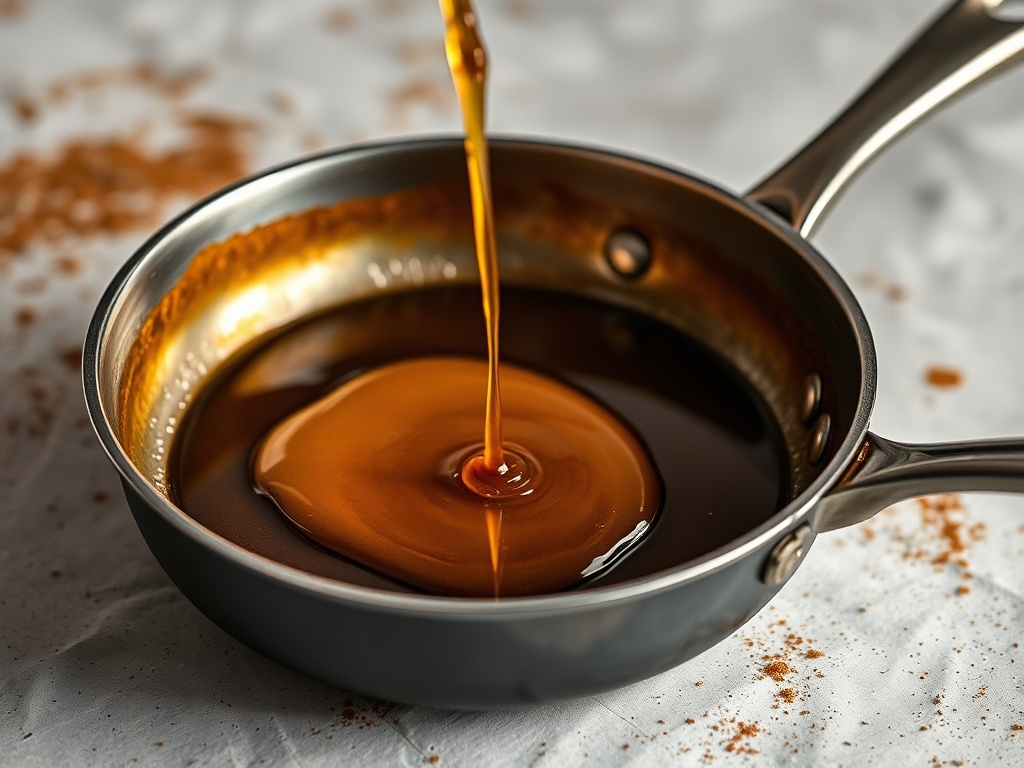
Before any long simmer begins, the initial interaction of ingredients with heat sets the stage for profound flavor. Searing your proteins – be it beef chuck, pork shoulder, or even hearty vegetables like mushrooms – is absolutely non-negotiable. This crucial step initiates the Maillard reaction, a complex chemical process where amino acids and sugars react under heat, creating hundreds of new flavor compounds and a beautiful, caramelized crust. This isn't just about color; it's about developing an incredible depth of savory notes that cannot be achieved any other way. Ensure your pan is hot and your protein is dry to get a proper sear, avoiding overcrowding, which can steam rather than brown the food. Once your protein is beautifully browned, remove it from the pan. What's left behind are those golden-brown, flavor-packed bits stuck to the bottom of the pan – the 'fond.' This fond is pure gold. Deglazing involves adding a liquid, such as wine, broth, or even water, to the hot pan, scraping up all those delicious bits. This step incorporates all the caramelized flavor into your braising liquid, infusing the entire dish with a foundational richness that defines truly exceptional slow-cooked meals. Don't ever skip this vital first layer; it's the cornerstone of all subsequent flavor development.
Aromatic Aromas: The Heart of Your Flavor Base
Once you’ve established your foundational sear and deglazed the pan, the next crucial layer involves building an aromatic base. This often comes in the form of a soffritto (Italian) or mirepoix (French), a finely diced mixture of onions, carrots, and celery. These humble vegetables, when properly sautéed, release their natural sugars and contribute a sweet, earthy, and complex background flavor that supports and enhances the main ingredients. The key here is patience: cook them slowly over medium-low heat until they soften and become translucent, not browned. This gentle cooking allows their flavors to meld and deepen without developing any bitterness. Garlic often joins this aromatic trio, but timing is critical. Add minced garlic towards the end of the aromatic sauté, just for a minute or two, to prevent it from burning and turning bitter. Beyond the classic trinity, consider other aromatics like leeks, shallots, or bell peppers, each offering a unique nuance to your dish. This slow, deliberate softening of aromatics creates a fragrant and savory core from which the rest of your dish will blossom, providing a consistent, delightful undertone throughout the entire cooking process.
- **The Classic Trinity:** Always start with a finely diced blend of onions, carrots, and celery for a balanced, sweet, and savory base.
- **Garlic Timing:** Add minced garlic after the other aromatics have softened, cooking for only a minute or two to prevent burning.
- **Herb Power:** Incorporate dried herbs like bay leaves, thyme, and rosemary with your aromatics to bloom their flavors in the fat.
- **Spice Activation:** Toast whole spices like cumin seeds or coriander seeds in the hot pan before adding aromatics to unleash their full aromatic potential.
Liquid Gold: Choosing Your Braising Medium
The liquid you choose for slow cooking is far more than just a medium for simmering; it’s an active participant in flavor development, dissolving and melding all the layered tastes into a harmonious whole. High-quality stock or broth is often the go-to, providing a rich, savory backdrop. Beef stock for beef dishes, chicken stock for poultry, and vegetable stock for vegetarian options are obvious choices, but don't be afraid to experiment. Wine, particularly red wine for hearty stews or white wine for lighter braises, adds a sophisticated layer of acidity and fruitiness that cuts through richness and brightens the overall profile. The alcohol cooks off, leaving behind its complex essence. Beer, especially darker ales or stouts, can introduce malty, slightly bitter, or even chocolatey notes that are incredible with certain meats. Tomatoes, in the form of crushed tomatoes, paste, or whole peeled, contribute a vital umami-rich acidity and sweetness, essential for many classic slow-cooked dishes like ragùs and goulash. Even a splash of good quality apple cider can bring a surprising sweetness and tang. Remember to use enough liquid to mostly cover your ingredients, but not drown them, allowing for gentle simmering and concentration of flavors. The braising liquid becomes a flavorful sauce, a testament to the hours of careful cooking.
Umami Unleashed: The Secret Ingredient
Umami, the fifth taste, is the cornerstone of truly savory and deeply satisfying slow-cooked dishes. It’s that profound, meaty, mouth-filling deliciousness that makes you want another bite. Fortunately, there are many "secret weapons" to boost umami in your slow cooker. Tomato paste is a prime example: a small spoonful, browned slightly with your aromatics, intensely concentrates its natural glutamates, adding incredible depth. Mushrooms, particularly dried porcini, are umami powerhouses. Rehydrate them and chop them finely, adding both the mushrooms and their flavorful soaking liquid (strained!) to your dish. Fermented ingredients like soy sauce, Worcestershire sauce, or even a dash of fish sauce, provide a concentrated hit of savory goodness without making the dish taste distinctly Asian, if used judiciously. A Parmesan rind, tossed into the pot, will slowly melt and infuse the entire dish with its nutty, salty, and deeply umami character, then can be removed before serving. Anchovy paste, surprisingly, melts away into the sauce, leaving no fishy taste but an undeniable boost of savory depth. Even humble ingredients like sun-dried tomatoes or a good quality cured ham can elevate the umami profile. Incorporating just one or two of these umami boosters can transform a good slow-cooked dish into an extraordinary one, creating that indescribable savory satisfaction that keeps everyone coming back for more.
The Long Game: Herbs, Spices, and Finishing Touches
The beauty of slow cooking lies not just in the initial layering but also in how flavors evolve over time and how they are perfected at the very end. Herbs and spices play a critical role, but their timing is key. Hearty, woody herbs like rosemary, thyme, and bay leaves can be added early in the cooking process, as they release their essential oils slowly and can withstand long cooking times. More delicate herbs, such as parsley, cilantro, or chives, are best added towards the very end or as a garnish, preserving their fresh, vibrant notes. Similarly, whole spices like star anise or cinnamon sticks can simmer for hours, while ground spices benefit from being bloomed in hot oil with aromatics to release their full potential. However, the final flourish is what truly distinguishes a gourmet slow-cooked dish. A squeeze of fresh lemon juice or a splash of vinegar (like red wine vinegar or balsamic) just before serving can brighten the entire dish, cutting through richness and providing a much-needed lift. A sprinkle of fresh, chopped herbs adds color, aroma, and a burst of fresh flavor. A drizzle of high-quality olive oil or a knob of butter can add luxurious richness and a silky mouthfeel. Taste and adjust seasonings meticulously at the end, ensuring the salt, pepper, and acidity are perfectly balanced. These finishing touches are the chef's final signature, elevating a comforting meal to an unforgettable culinary experience.
Conclusion
Mastering slow-cooked dishes is a journey into the heart of savory cuisine, where patience and thoughtful layering yield the most profound rewards. By understanding the critical role of searing and deglazing, building a robust aromatic base, selecting the perfect braising liquid, harnessing the power of umami, and applying precise finishing touches, you unlock the secrets to truly gourmet home cooking. Each step is an opportunity to deepen flavor, transforming simple ingredients into a complex tapestry of taste. Don't be afraid to experiment, to trust your instincts, and most importantly, to savor the process. The resulting dish won't just be a meal; it will be a testament to your culinary artistry, bursting with the kind of rich, comforting, and deeply satisfying flavors that define Savory Secrets. Ready to elevate your slow-cooked masterpieces? Explore more Savory Secrets recipes and chef tips on our site!


Aucun commentaire:
Enregistrer un commentaire