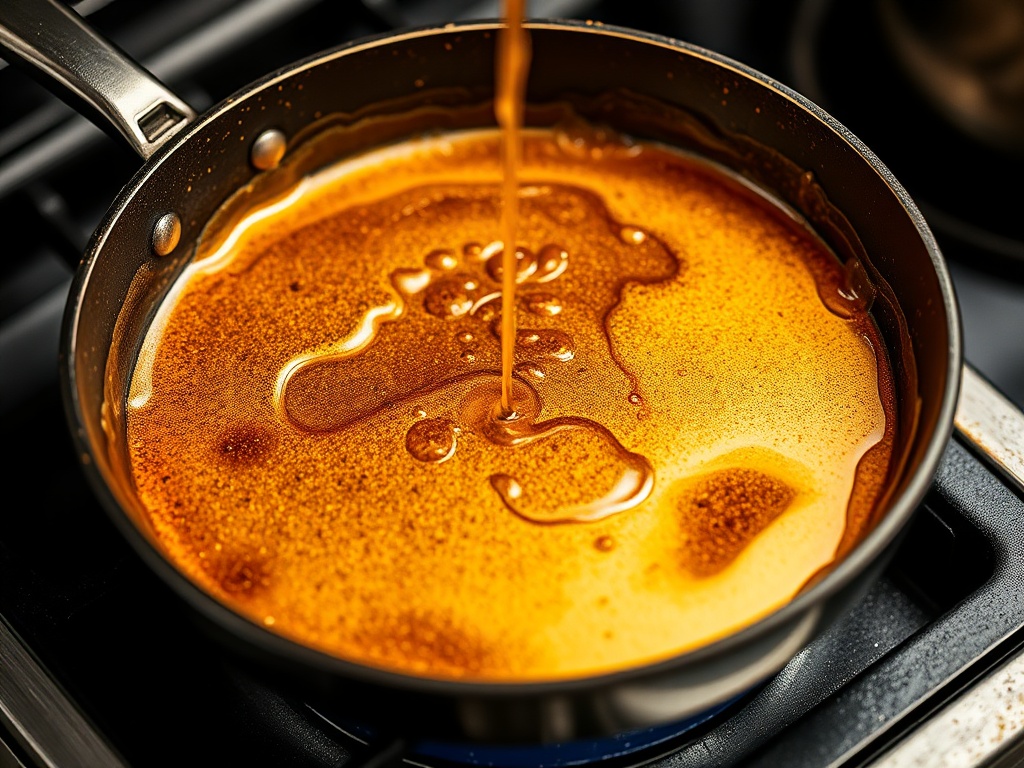
Deglazing Pan Drippings into Gold
In the world of gourmet home cooking, where every morsel of flavor is cherished, there's one culinary secret that stands out: deglazing. It's a technique often whispered among chefs, yet surprisingly simple to master in your own kitchen. Imagine transforming those seemingly insignificant brown bits left in the bottom of your pan after searing a steak or roasting chicken into a rich, umami-packed sauce – a true golden elixir that elevates any dish. This isn't just about reducing waste; it's about unlocking a concentrated symphony of savory flavors, turning humble pan drippings into a culinary masterpiece. Join us at Savory Secrets as we delve into the art and science of deglazing, promising to revolutionize your sauce-making game.
The Magic of Maillard: What Are Pan Drippings?
Before we embark on the deglazing journey, let's understand the treasure we're working with: pan drippings, affectionately known as 'fond' in culinary circles. These aren't burnt scraps; they are the delicious, caramelized remnants of proteins and sugars that adhere to the bottom of your pan after searing, roasting, or sautéing. The creation of fond is a direct result of the Maillard reaction – a complex chemical process where amino acids and reducing sugars react under heat, producing hundreds of new flavor compounds. This reaction is responsible for the enticing browning and distinctive aroma of cooked meats, roasted vegetables, and even toasted bread.
When you cook a piece of meat, for instance, moisture evaporates, and the natural sugars and proteins on the surface begin to caramelize and brown, forming a flavorful crust. Some of these incredibly tasty compounds stick to the pan, creating that dark, savory layer. This fond is a concentrated source of umami, the fifth basic taste, often described as savory or meaty. Discarding these brown bits is akin to throwing away pure flavor gold. Understanding their origin and potential is the first step in appreciating the transformative power of deglazing, setting the stage for sauces that are deeply satisfying and incredibly complex.
Choosing Your Liquid: The Elixir of Flavor
The liquid you choose for deglazing is not merely a vehicle for scraping up the fond; it's an active ingredient that shapes the character and flavor profile of your final sauce. Each liquid brings its own unique acidity, sweetness, or savory depth to the pan, interacting with the concentrated flavors of the fond to create something truly spectacular. Making an informed choice here is one of the key chef tips for achieving gourmet home cooking results, ensuring your sauce perfectly complements the dish it accompanies. Here are some popular options and their contributions:
- Wine (Red or White): A classic choice, wine introduces a delightful acidity and fruit notes that cut through the richness of pan drippings. Red wine, with its robust tannins, pairs beautifully with beef and lamb, while crisp white wine is ideal for poultry, pork, or seafood, lending a brighter, more delicate finish. The alcohol also helps dissolve the fond, releasing its full flavor.
- Broth or Stock (Chicken, Beef, Vegetable): For a deeply savory foundation, broth or stock is an excellent choice. Chicken stock is versatile, beef stock adds incredible depth to red meat dishes, and vegetable stock provides a lighter, more herbaceous base. These liquids enhance the umami of the fond without introducing competing flavors, making them perfect for creating rich, gravylike sauces.
- Beer: Don't underestimate the potential of beer! Lagers or ales can add malty sweetness, subtle bitterness, or hoppy notes, depending on the type. It pairs wonderfully with pork, sausages, or even certain stews, offering a unique, earthy dimension to your sauce.
- Vinegar (Balsamic, Red Wine, Apple Cider): A splash of vinegar can provide a sharp, tangy counterpoint that brightens a rich sauce and balances its flavors. Balsamic adds a sweet-tart complexity, red wine vinegar offers a classic tang, and apple cider vinegar can lend a crisp, fruity note, especially good with pork or chicken.
- Water: While less common for flavor-building, water can be used for a very clean, neutral base, especially when you want the pure, unadulterated flavor of the fond to shine, or if you're avoiding alcohol or strong acidic notes. It's also a good emergency option if you're out of other liquids.
- Cream or Milk: Though not typically used for the initial deglazing step, cream or milk can be incorporated later to add richness, body, and a silky smooth texture to your finished sauce, transforming a pan sauce into a creamy delight, perfect for pairing with pasta or poultry.
The Art of the Scrape: Technique and Tools
Mastering the act of deglazing is less about brute force and more about finesse, combining proper heat management with the right tools and technique. This is where the magic truly happens, transforming those stubborn, caramelized bits into a liquid gold of flavor. The goal is to dissolve the fond and incorporate it into your chosen liquid, creating a foundational sauce that is bursting with savory goodness. Follow these steps for a perfect deglaze every time, a crucial cooking secret for any aspiring gourmet home cook.
First, ensure your cooked protein or vegetables have been removed from the pan, leaving behind the precious fond and any residual fat. Pour off any excess fat, leaving just enough to coat the bottom of the pan – too much fat can make your sauce greasy. Return the pan to the stovetop over medium to medium-high heat. The pan should be hot enough to sizzle the liquid when it's added, but not so hot that the fond burns, which would impart a bitter taste. This balance is key; burnt bits are not desirable.
Next, pour your chosen deglazing liquid into the hot pan. You'll hear an immediate sizzle as the liquid hits the hot surface. The amount of liquid typically ranges from 1/4 cup to 1 cup, depending on the size of your pan and the desired quantity of sauce. Immediately after adding the liquid, use a sturdy wooden spoon or a heat-resistant flat-edged spatula to vigorously scrape the bottom of the pan. The hot liquid will help to loosen the caramelized bits, allowing them to dissolve into the liquid. Keep scraping until all the fond has detached from the pan and dissolved, creating a flavorful, cloudy liquid.
Continue to cook the liquid, stirring occasionally, allowing it to simmer and reduce. This reduction process concentrates the flavors, thickening the sauce slightly and intensifying its savory depth. This is where the umami truly comes alive. Depending on the liquid used, this can take anywhere from a few minutes to ten minutes. You'll notice the sauce becoming more viscous and flavorful as it reduces. Once it reaches your desired consistency and flavor intensity, your base deglazed sauce is ready for further enhancement or immediate serving.
Beyond the Pan: Elevating Your Deglazed Sauce
While the deglazed liquid itself is a flavor powerhouse, the journey from pan drippings to a truly gourmet sauce doesn't have to end there. This rich, savory base is an ideal canvas for further enhancements, allowing you to tailor the sauce to perfectly complement your dish and elevate your home cooking to restaurant-quality standards. These finishing touches are the chef tips that transform a good sauce into an unforgettable one, adding layers of complexity and refinement.
One of the most classic and effective techniques is to "mount" the sauce with butter, a process known as montage au beurre. Once your deglazed liquid has reduced to the desired consistency, remove the pan from the heat and swirl in a few tablespoons of cold, unsalted butter, one piece at a time. Whisk continuously until each piece of butter is fully incorporated and the sauce becomes glossy, emulsified, and incredibly rich. This not only adds a luxurious mouthfeel and sheen but also mellows any sharp edges, contributing a velvety smoothness to the umami-rich base.
Consider infusing your sauce with aromatic ingredients. Sautéing finely minced shallots or garlic in the pan for a minute or two before adding the deglazing liquid can add a subtle sweetness and pungent depth. Fresh herbs like thyme, rosemary, or sage, added during the reduction phase, will release their fragrant oils, imbuing the sauce with an earthy, herbaceous note. A pinch of Dijon mustard can also add a delightful piquancy and help emulsify the sauce, especially when paired with pork or chicken.
For a thicker sauce, you have a few options. A simple reduction will naturally thicken the sauce as water evaporates and flavors concentrate. Alternatively, you can create a slurry of cornstarch or arrowroot powder mixed with a small amount of cold water, whisking it into the simmering sauce until it reaches your preferred consistency. For a richer, more substantial sauce, a roux (equal parts butter and flour cooked together) can be prepared in a separate pan and whisked into the deglazed liquid. Finally, always taste and adjust your seasoning with salt, freshly ground black pepper, and perhaps a tiny splash of lemon juice or another acidic element to brighten the flavors and ensure a perfectly balanced profile.
Savory Secrets: Chef Tips for Deglazing Mastery
To truly master the art of deglazing and consistently create savory recipes that impress, there are a few expert insights and common pitfalls to navigate. These chef tips from Savory Secrets will ensure your pan drippings consistently transform into culinary gold, enhancing your gourmet home cooking endeavors and unlocking layers of umami flavor.
Firstly, don't overcrowd your pan. This is paramount for proper browning and fond development. When a pan is too full, ingredients steam rather than sear, preventing the Maillard reaction from occurring effectively. Cook in batches if necessary to ensure a beautiful, even crust and plenty of flavorful fond. Also, ensure your pan is hot enough but not scorching before adding your protein or vegetables. A well-heated pan allows for quick browning and the formation of fond without burning it. If the pan is too cool, food will stick, and if it's too hot, the fond can quickly turn from golden brown to bitter black.
Use the right pan for the job. Stainless steel or cast iron pans are ideal for deglazing because they allow fond to stick and caramelize effectively, and they can withstand the vigorous scraping required. Non-stick pans, while convenient for some tasks, are counterproductive for deglazing as they are designed to prevent sticking, thus hindering fond formation. For a truly professional result, a heavy-bottomed pan is always best as it distributes heat evenly.
Taste as you go. This cannot be stressed enough. After deglazing and reducing, taste your sauce. Is it too tart? A touch of sugar or a knob of butter can balance it. Too bland? A pinch more salt, a grind of pepper, or a dash of Worcestershire sauce or soy sauce (for extra umami) can work wonders. The beauty of a pan sauce is its adaptability. Experiment with different liquids – a splash of brandy with beef, a touch of apple juice with pork, or even a little balsamic glaze with roasted vegetables. Each choice creates a subtly different, yet equally delicious, outcome.
Finally, don't fear the brown bits! Many home cooks mistakenly interpret fond as burnt residue and scrub it away. Recognize it for the flavor bomb it is. Embrace those dark, savory treasures, and with these tips, you'll be well on your way to creating unforgettable, umami-rich sauces that are the hallmark of true culinary expertise.
Conclusion
Deglazing is far more than a simple cooking technique; it's an alchemy that transforms the often-overlooked remnants of cooking into the very essence of gourmet home cooking. By understanding the Maillard reaction, selecting the perfect liquid, and mastering the art of the scrape, you unlock a universe of rich, savory flavors, elevating your dishes from good to extraordinary. This fundamental chef secret allows you to capture every last drop of umami, ensuring that no precious flavor goes to waste. From a humble pan of roasted vegetables to a perfectly seared steak, the ability to deglaze empowers you to craft delicious sauces that define culinary excellence. So, the next time you finish cooking, don't reach for the sponge. Reach for your deglazing liquid, and turn those pan drippings into pure gold. Ready to explore more savory recipes and cooking secrets? Dive deeper into Savory Secrets for your next culinary adventure!



Aucun commentaire:
Enregistrer un commentaire