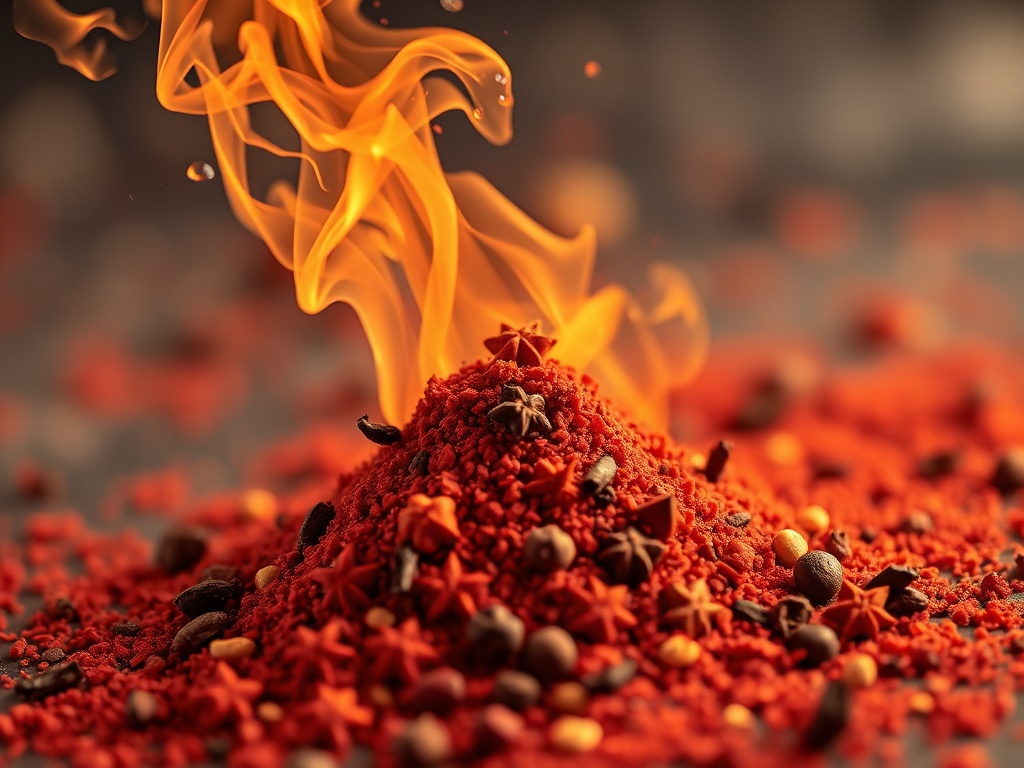
Spice Blooming: Maximum Flavor Extraction for Unforgettable Savory Dishes
Ever wondered why some dishes burst with an intensity of flavor that seems to transcend their simple ingredients? The secret often lies in a fundamental, yet frequently overlooked, culinary technique: spice blooming. More than just adding spices, blooming is the art of awakening their dormant potential, coaxing out their deepest, most complex notes. This process transforms your everyday cooking into a gourmet experience, infusing your savory creations with an unparalleled richness and aromatic depth that truly captivates the palate. Join us at Savory Secrets as we delve into this essential chef's tip, promising to elevate your home cooking to new, exciting heights.
What is Spice Blooming? The Science Behind the Sizzle
At its heart, spice blooming, often referred to as tempering, is the gentle application of heat to whole or ground spices, typically in a fat medium like oil or ghee. This seemingly simple step is a powerhouse of flavor transformation rooted in basic chemistry. Spices contain a treasure trove of volatile compounds – essential oils that are responsible for their distinctive aromas and tastes. In their raw, dormant state, these compounds are tightly locked within the spice structure. Direct heat, especially when mediated by fat, acts as a catalyst, breaking down cell walls and releasing these aromatic molecules. The fat not only conducts heat efficiently but also acts as a solvent, absorbing and distributing these fat-soluble flavor compounds throughout the dish. This process doesn't just intensify the existing flavors; it also unlocks new, more nuanced notes, creating a complex tapestry of taste that simply cannot be achieved by adding raw spices directly to a liquid or dish. Think of it as painting with flavor, where blooming provides the vibrant, primary colors that form the foundation of your culinary masterpiece, deepening the umami and enhancing the overall savoriness of your meal.
The Tools of the Trade: Choosing Your Blooming Medium
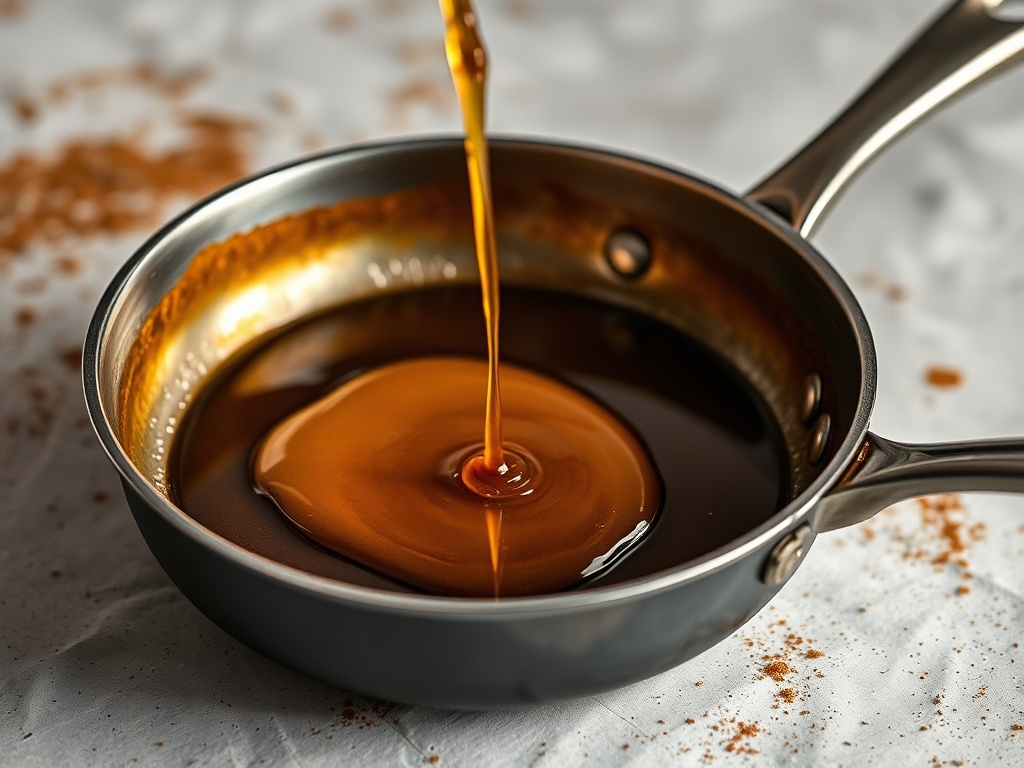
The medium you choose for blooming your spices plays a pivotal role in the final flavor profile of your dish. Each fat has unique properties that interact with spices differently, influencing the extraction and distribution of those precious volatile compounds. The most common choices are various oils, ghee, and butter, each bringing its own character to the party. Neutral oils, like canola or grapeseed, are excellent for allowing the pure flavor of the spices to shine, offering a clean canvas. Olive oil can introduce its own fruity or peppery notes, which can be complementary in certain cuisines, but might overpower delicate spices. Ghee, clarified butter with its milk solids removed, boasts a high smoke point and a rich, nutty aroma that significantly enhances Indian and Middle Eastern dishes, imparting a profound depth and a luxurious mouthfeel. Butter, while delicious, has a lower smoke point due to its milk solids, making it more suitable for a quicker, gentler bloom at lower temperatures to avoid burning. The choice depends entirely on the desired outcome and the culinary tradition you’re exploring. Mastering this selection is a true chef's tip for achieving maximum flavor extraction.
- **Consider the Cuisine:** Traditional Indian dishes often call for ghee, while Mediterranean recipes might lean towards olive oil.
- **Flavor Profile:** A neutral oil lets the spices dominate, while ghee adds a nutty richness.
- **Smoke Point:** Higher smoke point fats (ghee, canola oil) are more forgiving for longer blooming or higher heat.
- **Fat Quantity:** Use just enough fat to coat the spices and provide an even heat distribution, typically 1-2 tablespoons for a generous amount of spices.
Mastering the Heat: The Art of the Perfect Bloom
Achieving the perfect spice bloom is a delicate dance between heat, time, and observation. Too little heat, and the spices remain dormant, their flavors locked away. Too much heat, and they burn, turning bitter and acrid, effectively ruining your dish. The key lies in maintaining a medium-low to medium heat, allowing the fat to gently warm up before adding your spices. Once the fat is shimmering but not smoking, introduce your whole spices first, as they typically require more time to release their essential oils. Listen for a gentle sizzle, watch for a slight darkening in color, and, most importantly, smell the intoxicating aromas beginning to fill your kitchen. This is the moment of awakening. Ground spices, with their increased surface area, bloom much faster – often in mere seconds. Add them after whole spices have had a head start, or if using only ground spices, introduce them to the warm fat and stir constantly. The ideal bloom is achieved when the spices are fragrant and slightly toasted, but before any hint of scorching. This window is often very brief, so stay vigilant. Removing the pan from the heat immediately or adding your next ingredient (like onions, garlic, or a liquid) helps to halt the cooking process and prevent over-blooming. This precise control over heat is a hallmark of gourmet home cooking and a fundamental chef's tip for maximum flavor extraction.
Spice by Spice: Tailoring Your Blooming Technique
Not all spices are created equal, and understanding their individual characteristics is crucial for tailoring your blooming technique to achieve maximum flavor extraction. Whole spices, like cumin seeds, mustard seeds, cardamom pods, or star anise, have their essential oils encased within their structure, requiring a longer, more patient bloom to fully release their potential. They benefit from being added to the warm fat first, allowing them several minutes to toast and become fragrant. You’ll notice them popping, sizzling, and darkening slightly, filling your kitchen with their robust aromas. Ground spices, on the other hand, have a much larger surface area exposed to heat, meaning they bloom incredibly quickly – often in 15-30 seconds. Adding them too early or for too long will result in a burnt, bitter taste. It's often best to add ground spices towards the end of the blooming process, after whole spices have had their time, or just before adding other ingredients that will cool the pan, such as onions or tomatoes. Delicate spices like turmeric or cayenne pepper, while ground, can also be prone to burning, so they should be added for a very short duration. Conversely, robust spices like coriander or cumin can withstand slightly more heat. This nuanced approach, adapting your method to the specific spice, is a true mark of a seasoned cook and ensures that every spice contributes its best to the overall savory symphony of your dish.
Beyond the Bloom: Integrating Spices for Layered Flavor
Blooming spices is a powerful technique, but its true magic unfolds when integrated thoughtfully into the broader context of your cooking. The goal isn't just to extract flavor, but to build layers of taste that evolve on the palate, creating a truly gourmet experience. Once your spices are perfectly bloomed, the next step is often to introduce aromatics like onions, garlic, and ginger. These ingredients, when sautéed in the spice-infused fat, absorb those liberated essential oils, becoming deeply flavorful themselves and forming the savory foundation of your dish. This initial bloom creates the primary flavor profile, a robust base. However, don't stop there. Consider adding a fresh sprinkle of the same spices towards the end of cooking, or even as a garnish. This secondary addition provides a brighter, fresher aromatic note, contrasting beautifully with the deep, mellow flavors from the initial bloom. For example, a curry might start with bloomed cumin and coriander, then finish with a pinch of fresh garam masala for a vibrant top note. This layering technique, combining both bloomed and fresh spices, adds complexity and dynamism, showcasing the full spectrum of each spice's character. It's a chef's secret for creating dishes with profound depth and an unforgettable umami richness that keeps diners coming back for more.
Conclusion
Spice blooming is far more than just another cooking step; it's a fundamental culinary technique that unlocks the very soul of your ingredients, transforming ordinary savory dishes into extraordinary gourmet experiences. By understanding the science, mastering the heat, and adapting your approach to each unique spice, you gain the power to extract maximum flavor, deepen umami, and create layers of aromatic richness that define truly exceptional home cooking. This foundational chef's tip empowers you to build a more profound connection with your food, enhancing every bite with complexity and an unforgettable depth of flavor. So, grab your spices, choose your fat, and embark on a journey of aromatic discovery. Experiment, savor the aromas, and elevate your everyday meals. For more gourmet home cooking secrets and savory inspirations, keep exploring Savory Secrets!


Aucun commentaire:
Enregistrer un commentaire