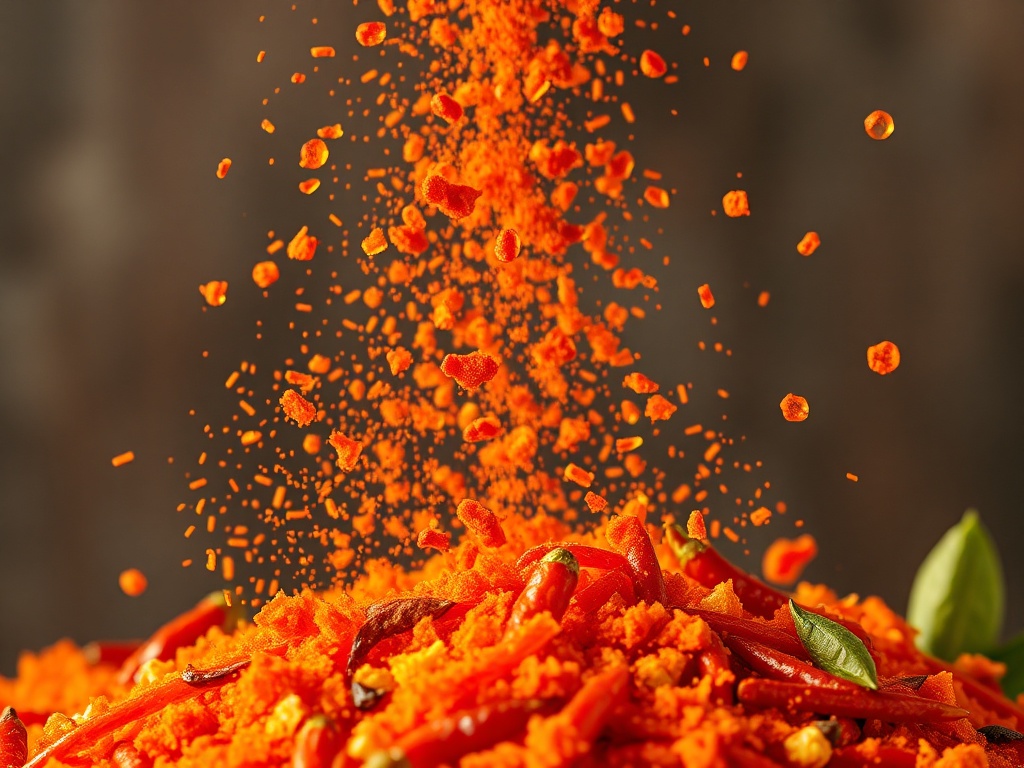
Spice Blooming: Maximum Flavor Extraction for Gourmet Home Cooking
Ever wondered how professional chefs achieve those incredibly deep, nuanced flavors in their dishes? The secret often lies not just in the ingredients themselves, but in how they are prepared. One of the most transformative yet often overlooked techniques is "spice blooming." This simple act of gently heating spices in fat unlocks their full aromatic potential, transforming them from dormant flavor packets into vibrant, fragrant powerhouses. At Savory Secrets, we believe every home cook deserves to master these fundamental techniques to elevate their culinary creations. Join us as we delve into the art and science of spice blooming, a game-changer for unlocking maximum flavor, enhancing savory notes, and infusing your dishes with an irresistible umami depth that will impress even the most discerning palate.
The Science of Scent and Sizzle – What is Spice Blooming?
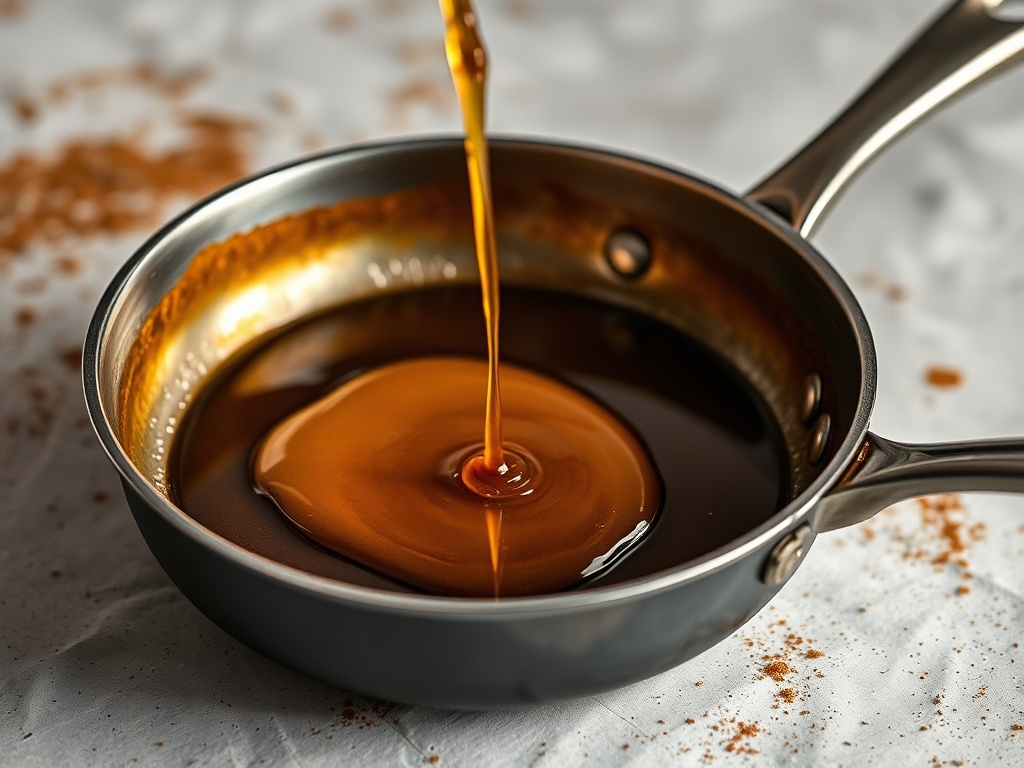
Spice blooming, often referred to as tempering or 'tarka' in South Asian cuisine, is the process of gently heating whole or ground spices in a small amount of oil or ghee. This seemingly simple step has a profound scientific basis. Spices contain volatile organic compounds and essential oils, which are responsible for their distinctive aromas and flavors. Many of these compounds are fat-soluble, meaning they dissolve and release more effectively when introduced to warm fat. When you heat spices in oil, these compounds are extracted into the fat, diffusing their essence and creating a more complex, well-rounded flavor profile than if you simply added them raw or dry-roasted. The gentle heat helps to break down cell walls, releasing these aromatic molecules and intensifying their potency, preparing them to meld seamlessly with the other ingredients in your dish. It’s a crucial step that distinguishes good cooking from truly great, gourmet home cooking.
The Golden Rules: Mastering the Blooming Process
Mastering spice blooming involves understanding a few key principles to ensure optimal flavor extraction without burning. It's a delicate balance of heat, fat, and timing that, once perfected, will become an indispensable part of your culinary repertoire. Remember, the goal is to coax out the fragrant oils, not to char them into bitterness. This technique is a cornerstone of many savory recipes and a true chef tip for enhancing umami.
- **Choose Your Fat Wisely:** Opt for neutral oils like canola, grapeseed, or sunflower oil for general blooming, or elevate the flavor with ghee (clarified butter) or coconut oil, especially for South Asian or Southeast Asian dishes. These fats serve as excellent carriers for the fat-soluble compounds in spices, distributing their flavor evenly throughout your dish.
- **Temperature Control is King:** Always use low to medium heat. A pan that’s too hot will burn the spices quickly, resulting in a acrid, bitter taste. The goal is a gentle sizzle, not a frantic crackle. Start with a cold pan and oil, then gradually bring it to temperature, adding spices as the oil warms.
- **Timing is Everything:** Spice blooming is a rapid process. Whole spices typically need 30-60 seconds, while ground spices, with their larger surface area, often require even less – sometimes just 10-30 seconds. Watch and smell for the moment the spices become fragrant and their color deepens slightly, then immediately remove from heat or add your next ingredient.
- **Whole vs. Ground Spices:** When using both, add whole spices first as they take longer to release their oils. Once they’re aromatic, add ground spices, stirring constantly for a very short period to prevent burning. If a recipe calls for only ground spices, you can bloom them directly, but be extra vigilant about the heat and timing.
By adhering to these golden rules, you’ll unlock a depth of flavor that dry spices simply cannot deliver, transforming everyday meals into extraordinary gourmet experiences.
Beyond the Basics: Advanced Blooming Techniques
Once you've mastered the foundational principles of spice blooming, you can begin to explore more advanced techniques that further amplify flavor and texture. This is where the artistry of gourmet home cooking truly shines, allowing you to layer flavors and create dishes with incredible depth and complexity. These chef tips move beyond simply extracting flavor, focusing on how blooming can integrate spices into the broader tapestry of your savory recipes.
One common enhancement involves blooming spices alongside aromatics. After your spices have bloomed, add finely chopped garlic, ginger, onions, or chilies to the pan. The fat already infused with spice flavor will then carry these aromatic notes, creating a rich, fragrant base for stews, curries, or braises. The moisture from the aromatics can also help regulate the pan temperature, preventing delicate ground spices from burning. Another advanced technique is layering spices: introduce tougher, whole spices like cardamom pods, cinnamon sticks, or star anise first, allowing them more time to infuse. Then, add smaller, quicker-blooming whole spices like cumin or mustard seeds, followed by ground spices for a final burst of aroma. This staggered approach ensures each spice reaches its peak flavor without overcooking others. Furthermore, consider blooming spices in different mediums; while fat is traditional, a quick bloom in a small amount of hot water or stock can release water-soluble compounds, particularly useful for spice blends destined for sauces or marinades where excessive oil isn't desired. Finally, blooming can also be used to create infused oils – a simple yet elegant way to add a burst of specific spice flavor to finishing dishes, salads, or even as a dipping oil. Experiment with these variations to truly elevate your savory creations.
Unlocking Umami and Depth: Recipes Transformed by Blooming
The true magic of spice blooming becomes evident when you apply it to actual dishes. It's not just about adding flavor; it's about building a foundational layer of savory richness and umami that permeates every bite. Many traditional savory recipes from around the world inherently utilize this technique, demonstrating its universal appeal and effectiveness in creating deeply satisfying meals. By incorporating blooming, you’ll notice a significant difference in the complexity and aroma of your home-cooked gourmet dishes.
Consider a classic Indian curry: the initial blooming of whole spices like cumin seeds, mustard seeds, and curry leaves in ghee forms the aromatic backbone before onions, ginger, and garlic are added. This foundational layer is what gives curries their signature depth and intoxicating fragrance. Similarly, in a robust chili, blooming chili powder, cumin, and oregano in oil before adding the meat and tomatoes intensifies their smoky, earthy notes, creating a richer, more cohesive flavor profile that’s far superior to simply stirring them in later. Lentil soups (dal) and bean stews also benefit immensely; a quick bloomed 'tarka' of spices like turmeric, asafoetida, and dried chilies poured over the finished dish provides a vibrant burst of flavor and a beautiful aromatic finish. Even simpler dishes can be transformed: imagine scrambled eggs with a hint of bloomed cumin and turmeric, or roasted vegetables tossed with an oil infused with bloomed fennel and coriander seeds. This technique is also vital for many Middle Eastern tagines and stews, where spices like saffron, paprika, and ginger are gently bloomed to release their full spectrum of flavors, contributing to a truly gourmet home cooking experience. The savory secrets of these dishes are often rooted in this simple, yet powerful, step.
Common Pitfalls and How to Avoid Them
While spice blooming is a relatively straightforward technique, there are common pitfalls that can quickly turn a flavorful endeavor into a bitter disappointment. Understanding these mistakes and knowing how to avoid them is crucial for consistently achieving maximum flavor extraction and mastering this essential chef tip. Even seasoned cooks can fall victim to these errors, so vigilance is key to perfecting your savory recipes.
The most frequent mistake is **burning the spices**. This happens when the heat is too high or the spices are left in the hot fat for too long. Burned spices taste acrid, bitter, and can ruin an entire dish. To avoid this, always start with low to medium heat, add spices as the oil warms, and remove the pan from the heat or add your next ingredient the moment you smell their fragrance and see a slight color change. Another pitfall is **using stale spices**. Spices lose their potency over time, especially when ground. For the best results, always use fresh, whole spices whenever possible, and store them in airtight containers away from heat and light. If your spices don't smell vibrant when you open the jar, they won't taste vibrant when bloomed. **Not enough fat** is another common error; without sufficient fat, the spices won't properly release their fat-soluble compounds, resulting in a weaker flavor. Ensure there's enough oil or ghee to coat the spices generously. Conversely, **too much fat** can make the dish greasy, so use just enough to achieve the bloom. Finally, **overcrowding the pan** can lower the oil temperature too quickly and steam the spices instead of frying them, leading to less effective flavor extraction. Bloom spices in batches if necessary, or use a pan large enough to accommodate them in a single layer. By being mindful of these pitfalls, you can consistently achieve perfectly bloomed spices that elevate your gourmet home cooking to new heights.
Conclusion
Spice blooming is more than just a cooking step; it’s an art form that unlocks the true potential of your spices, transforming ordinary ingredients into extraordinary culinary delights. By understanding the science behind heating spices in fat, mastering the golden rules of timing and temperature, and avoiding common pitfalls, you equip yourself with a powerful chef secret. This technique is fundamental to building deep, complex flavor profiles, infusing your savory recipes with an irresistible aroma and a profound sense of umami that elevates every meal. Embrace the magic of spice blooming in your kitchen, and prepare to impress yourself and your loved ones with gourmet home cooking that truly sings. Experiment with different spices and fats, and discover the endless possibilities this simple technique offers. For more expert tips, savory recipes, and inspiration to elevate your culinary journey, keep exploring Savory Secrets. Share your blooming successes with us!


Aucun commentaire:
Enregistrer un commentaire