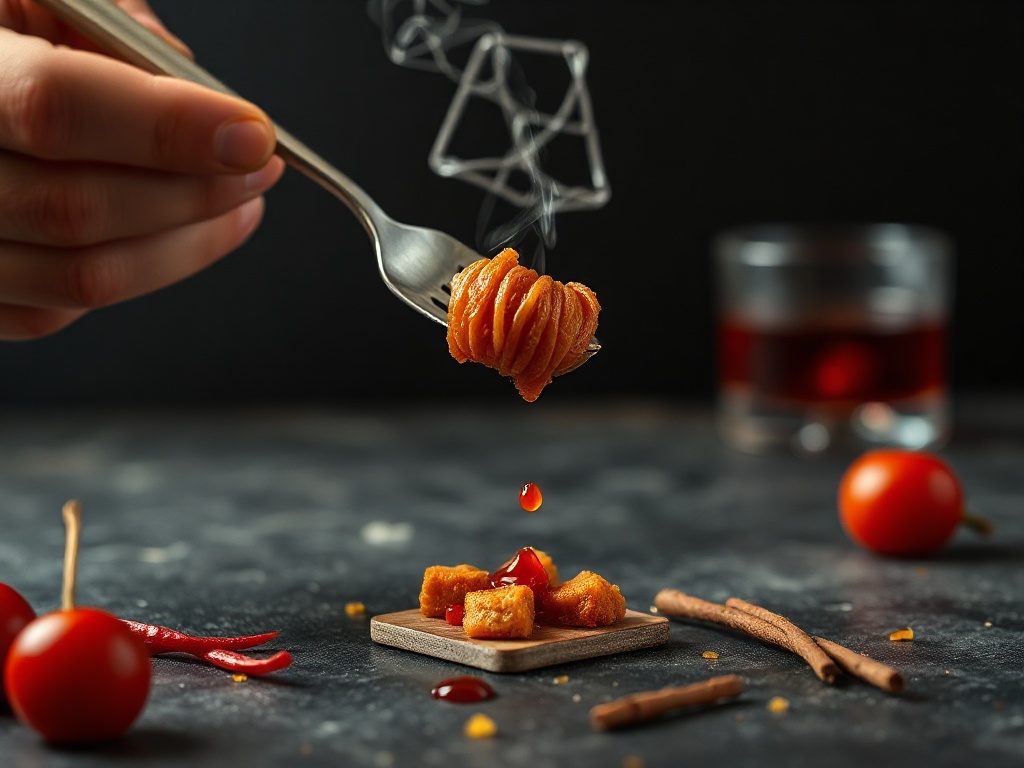
The Science of Umami: Unlocking the Fifth Taste for Gourmet Home Cooking
For centuries, our palates were understood to perceive four fundamental tastes: sweet, sour, salty, and bitter. Yet, anyone who has savored a rich bone broth, a perfectly aged Parmesan, or a succulent mushroom dish knows there's something more – a profound, mouth-filling savoriness that transcends these basic categories. This elusive, deeply satisfying flavor is umami, often described as the 'fifth taste.' More than just a flavor, umami is a scientific phenomenon that elevates culinary experiences, signaling deliciousness and depth. At Savory Secrets, we're dedicated to demystifying the art of gourmet cooking, and understanding the science of umami is a pivotal step in mastering truly exceptional savory dishes.
The Discovery of Umami: A Historical Perspective
The story of umami begins in the early 20th century, specifically in 1908, with Japanese chemistry professor Kikunae Ikeda. Fascinated by the distinctive, delicious taste of dashi – a traditional Japanese broth made from kombu (kelp) – Ikeda embarked on a scientific quest to identify its essence. He noticed that the taste was distinct from the four established tastes and possessed a unique savory quality. Through meticulous experimentation, he successfully isolated glutamic acid, an amino acid, as the primary compound responsible for this unique flavor. He coined the term 'umami,' a portmanteau of the Japanese words 'umai' (delicious) and 'mi' (taste). Ikeda’s groundbreaking discovery not only introduced a new taste category but also laid the foundation for the commercial production of monosodium glutamate (MSG), a purified form of sodium glutamate, which has since become a widely used flavor enhancer globally. His work revolutionized our understanding of taste and profoundly impacted the food industry, bringing a deeper appreciation for the nuanced complexities of savory flavors into the scientific spotlight.
What Exactly is Umami? The Chemical Basis
At its core, umami is primarily detected through the presence of specific chemical compounds, most notably L-glutamate. This amino acid is naturally abundant in many foods, both plant and animal-based, and is the fundamental building block of proteins. However, the umami experience isn't solely dependent on glutamate. Two other nucleotide compounds, inosinate (or inosinic acid) and guanylate (or guanylic acid), play a crucial role in amplifying the umami sensation. When these compounds are present alongside L-glutamate, they create a remarkable synergistic effect, enhancing the perceived savoriness far beyond what any single compound could achieve alone. This chemical interplay is the secret behind many of the world's most cherished savory dishes, where ingredients are carefully combined to unlock their full umami potential, resulting in a profoundly satisfying and lingering taste sensation that signals richness and depth to our brains. Understanding these key players allows us to consciously build layers of deliciousness into our home cooking.
- Glutamate: Abundant in ripe tomatoes, Parmesan cheese, mushrooms, soy sauce, and fermented foods. It's the most common umami compound.
- Inosinate: Primarily found in animal products like meat and fish, contributing to the savory depth of chicken broth or beef.
- Guanylate: Concentrated in dried mushrooms, particularly dried shiitake, which significantly enhances umami upon rehydration.
- Synergistic Effect: The profound umami sensation is amplified when glutamate combines with inosinate or guanylate, creating a taste far greater than individual compounds.
How We Taste Umami: The Receptor Story
For many years after Ikeda’s discovery, the existence of umami as a distinct taste was debated. Skeptics argued it was merely a combination of other tastes or an olfactory sensation. However, groundbreaking scientific research in the early 21st century finally provided irrefutable proof. Scientists identified specific taste receptors on our tongues that are uniquely designed to detect L-glutamate and other umami compounds. These receptors, primarily a heterodimer of T1R1 and T1R3 proteins, are located within our taste buds and bind to umami molecules, triggering a signal that is sent to the brain. This signal is distinct from those generated by sweet, sour, salty, or bitter compounds, confirming umami's status as a fundamental taste. The presence of these dedicated receptors explains why umami is not just a flavor but a physiological sensation, providing a direct pathway for our bodies to recognize and appreciate this unique savory signal. It’s a testament to our evolutionary history, where the detection of amino acids signaled protein-rich, nourishing foods.
Umami in Everyday Cooking: Natural Sources and Enhancement
Understanding the science of umami empowers home cooks to elevate their dishes from good to truly gourmet. The key lies in identifying natural umami-rich ingredients and knowing how to combine them for maximum impact. Beyond the obvious suspects like Parmesan and mushrooms, think about slow-cooked meats, aged cheeses, ripe tomatoes, seaweed, fermented foods like miso and kimchi, and even green tea. To enhance umami, consider cooking methods that concentrate flavors, such as roasting, searing, or simmering for extended periods. The Maillard reaction, responsible for the browning and crust on cooked meats and vegetables, also generates umami compounds. Furthermore, the synergistic effect is your best friend: combine glutamate-rich ingredients (like tomatoes or mushrooms) with inosinate/guanylate-rich ingredients (like meat, fish, or dried shiitake). A classic example is a Bolognese sauce, combining tomatoes and Parmesan (glutamate) with beef (inosinate), creating an explosion of savory goodness. Don't be afraid to experiment with these combinations to unlock new dimensions of flavor in your everyday meals.
Beyond Taste: The Physiological Impact of Umami
The impact of umami extends far beyond mere taste perception; it plays a significant role in our physiological responses to food. Research suggests that umami signals to our brains not only deliciousness but also the presence of protein, which is vital for bodily functions. This can influence appetite regulation and feelings of satiety. Foods rich in umami tend to be more satisfying, helping us feel fuller for longer, which can be beneficial for managing portion sizes and overall dietary intake. Moreover, umami compounds, particularly glutamate, are thought to stimulate saliva production, aiding in digestion and enhancing the overall eating experience by preparing the digestive system for nutrient absorption. Some studies even indicate that umami can stimulate gastric juice secretion, further facilitating the digestive process. Thus, incorporating umami-rich ingredients into your meals isn't just about making them taste better; it's about creating a more satisfying and potentially healthier eating experience that resonates deeply with our body's nutritional needs and signals of well-being.
Conclusion
The journey into the science of umami reveals a captivating world where chemistry meets culinary art. From Kikunae Ikeda's initial discovery to the identification of specific taste receptors and the understanding of powerful synergistic effects, umami has cemented its place as the indispensable fifth taste. It’s the invisible thread that weaves through many of our most beloved savory dishes, offering depth, richness, and a profound sense of satisfaction. By understanding what umami is, where it comes from, and how it works, you gain an invaluable tool for mastering gourmet home cooking. Start exploring umami-rich ingredients and combinations in your kitchen today, and prepare to unlock an entirely new dimension of flavor that will transform your meals. For more chef tips, gourmet recipes, and cooking secrets, keep exploring Savory Secrets – your ultimate guide to savory excellence!


Aucun commentaire:
Enregistrer un commentaire